










oil prices Hormuz fears is the core development covered in this report. Below is a sourced breakdown of what is confirmed, what remains uncertain, and why it matters.
Why oil prices Hormuz fears matters now
This section focuses on the practical implications of oil prices Hormuz fears for readers following the story — what changed, what is confirmed, and what remains open.
Oil prices rebounded on Wednesday, July 29, 2026, after fresh Middle East strikes and shipping threats around the Strait of Hormuz ended a brief stretch of market calm. Exact prints moved through the session: Channel News Asia cited Brent near $87.19 early (about +3%) and WTI near $82.08, while AFP/France 24 later showed Brent around $88.44 (about +5.2%) and WTI near $83.13 (about +4.9%). Other July 29 market wraps described gains of roughly 4% to as much as about 7% at points when Brent traded in the high-$80s. Treat those as reporting ranges for the day, not a single official settle.
The jump matters because Hormuz is still the swing variable for global supply. The International Energy Agency’s July 2026 Oil Market Report said world oil supply rebounded by a sharp 4.1 million barrels a day to 98.8 mb/d in June as flows partially resumed under an interim ceasefire, yet output remained some 9.4 mb/d below pre-war levels. The IEA warned that renewed hostilities in early July clouded a forecast that had envisioned markets flipping toward surplus if tanker traffic kept recovering.
What reignited Hormuz fears
According to AFP and CNA’s July 29 wraps, U.S. Central Command said Iranian ballistic missiles aimed at U.S. forces were intercepted, while regional strikes widened to involve proxies and partners beyond the core U.S.-Iran fighting that began after late-February strikes. Iran has sought to control passage through Hormuz for months; a June understanding that partially reopened the waterway collapsed earlier in July after Tehran fired on ships using a channel it had not approved, CNA reported.
Separate July 29 coverage described Iranian claims of action against tankers in the strait and Houthi threats affecting Saudi export routes via the Red Sea. Even when headline fighting pauses, insurance costs, convoy requirements and delayed sailings can keep effective exports depressed. That is why crude can rally hard on a single day’s escalation after selling off on peace hopes.
How the IEA framed the supply math
In its July Oil Market Report, the IEA said Gulf oil exports, including volumes bypassing Hormuz, surged by 6.5 mb/d in June to 16.1 mb/d, still well below a roughly 24 mb/d pre-war average. Gulf production rose a more modest 3.5 mb/d and remained about 11.4 mb/d below pre-war levels. Benchmark prices had plunged through June as the interim ceasefire boosted flows; North Sea Dated fell by about $31/bbl over the month to around $68/bbl by early July before later volatility.
IEA Executive Director Fatih Birol, speaking in mid-July commentary covered by Al Jazeera, said oil security remained critical and that he would be worried if conditions did not improve within weeks. The agency’s public Middle East energy topic page likewise stresses that fully resuming Hormuz flows is the single most important variable for easing pressure on supplies, prices and the wider economy. About a quarter of seaborne oil trade moved through the strait in 2025, per IEA context notes, with limited pipeline bypass capacity for Saudi Arabia and the UAE.
Why a Brent rebound still moves markets
Brent is the pricing anchor for most internationally traded crude. When it climbs from the $80s toward the high-$80s or low-$90s on geopolitics, importers in Asia and Europe face higher fuel and feedstock costs within weeks. Airlines, shippers, petrochemical makers and central banks all watch the same tape. On July 29, that oil spike collided with an equity session already dominated by AI-stock stress and a Federal Reserve decision, tightening the macro narrative around inflation risk.
Analysts quoted in July 29 wire copy described a market likely to keep whipsawing while Hormuz access remains contested. DBS research commentary carried in Reuters-based wraps pointed to a near-term band that could keep oscillating roughly between the $80 and $100 areas depending on de-escalation or renewed fighting, useful as a scenario frame, not a price target. UBS notes highlighted depressed Hormuz flows and renewed strikes as the immediate lift for prices.
What to watch after July 29
- Verified tanker transit counts through Hormuz and Bab el-Mandeb.
- Whether any new memorandum restores predictable commercial passage.
- IEA and national inventory data for signs of restocking or renewed draws.
- Fed and other central-bank language on energy-driven inflation.
- Equity-market sensitivity in energy-heavy indices versus AI-heavy benchmarks.
For consumers, a multi-day crude rally can show up first in jet fuel and diesel cracks, then in gasoline; timing varies by country tax regimes and refining margins. For investors, energy equities and oil-linked currencies often catch a bid when Hormuz risk premia return, even as rate-sensitive growth stocks weaken. The July 29 session showed both patterns at once: crude up, many tech-heavy Asian markets down, and London’s oil majors supporting the FTSE at points during the day.
Emerging-market importers face a sharper trade-off. Higher dollar oil bills can pressure current accounts and currencies just as global investors reprice risk assets. Exporters with spare pipeline capacity to bypass Hormuz are relatively better placed; producers locked into the strait remain hostage to security diplomacy. That asymmetry is why IEA notes on bypass limits for most Gulf producers remain central to any medium-term forecast.
None of the July 29 wires claimed the war’s energy shock was over. They described a market that rallies when missiles fly and sells when ceasefire talk returns. Until tanker traffic normalizes on a sustained basis, something the IEA still treats as an assumption rather than a fact, Brent’s rebound capacity will stay embedded in the price, whether today’s screen reads closer to $87 or $89.
FAQ
How much did oil rise on July 29, 2026?
Intraday reporting varied by timestamp. CNA’s earlier figures showed roughly 3% gains with Brent near $87; AFP later cited about 5% gains with Brent near $88.44; other wraps described moves up toward about 7% when Brent traded in the high-$80s. Use ranges and sources, not a single unverified last price.
Why does Hormuz matter so much?
It is the primary export route for much of Gulf crude and condensates. The IEA has described the war-era disruption as historically large and said durable reopening is essential to stabilize global balances.
Did supply already recover in June?
Partially. The IEA said global supply jumped 4.1 mb/d in June as Hormuz flows resumed under a ceasefire, but levels remained far below pre-war norms, and early-July fighting threatened that recovery.
Primary sources
Related coverage on Topic Express
- South Korea Stocks Plunge on AI Jitters
- India Approves Semicon Mission 2.0
- India GDP Q2 Growth Data Highlights
- Business & Finance
July 29’s oil rebound was a risk-premium story first: missiles, strikes and contested Hormuz passage, layered on an IEA backdrop that already showed only a partial June recovery. Readers should anchor on attributed ranges from that day’s wires and on the IEA’s structural supply math, not on unsourced live ticks that change by the minute.
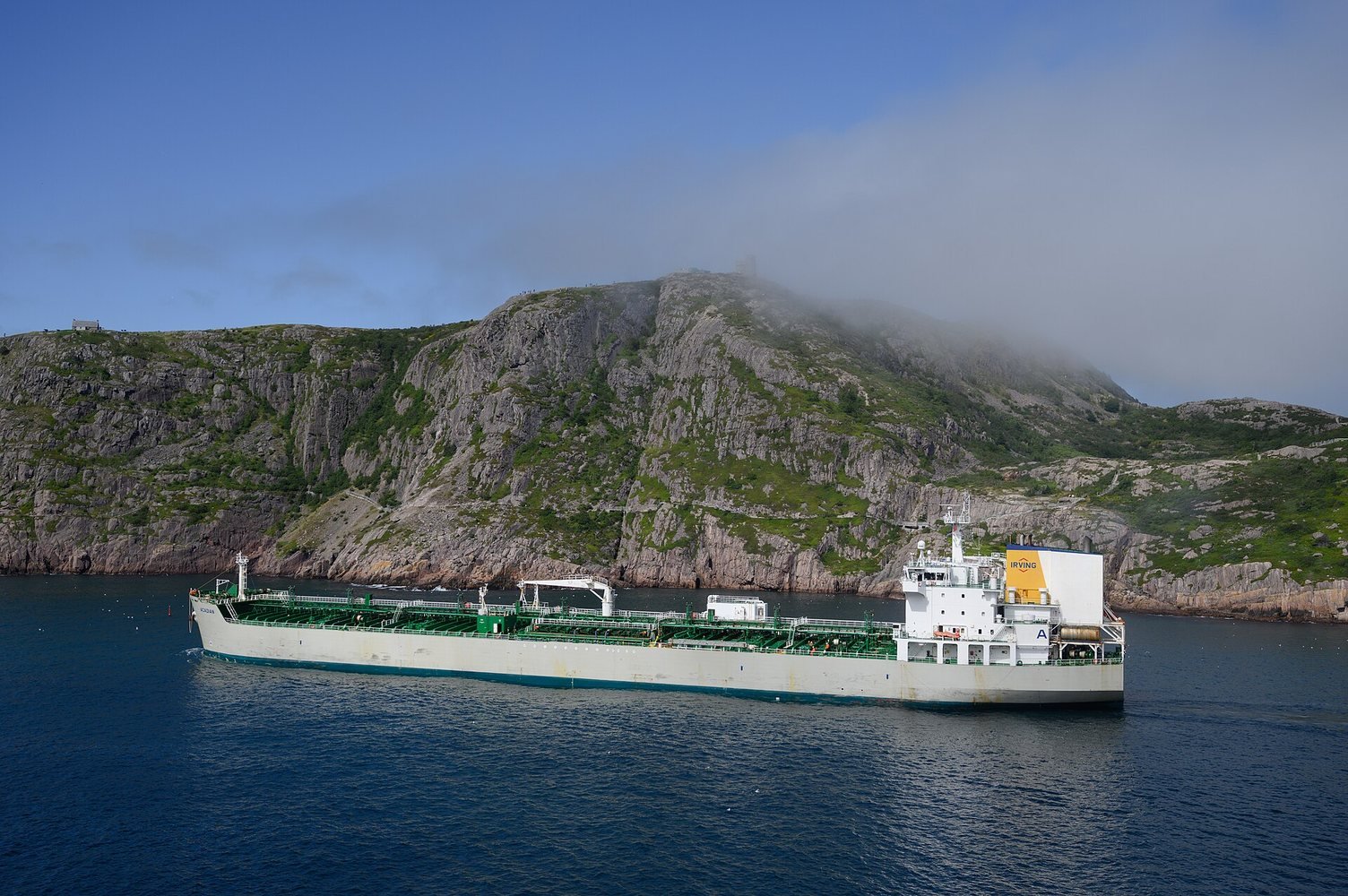
Image: Photo: Gordon Leggett via Wikimedia Commons (CC BY-SA 4.0)
Related Topic Express coverage
- Hormuz Tanker Disruption Sends Oil Prices Surging
- India GDP Forecast Cut as Oil Prices and Weak Investment Bite