










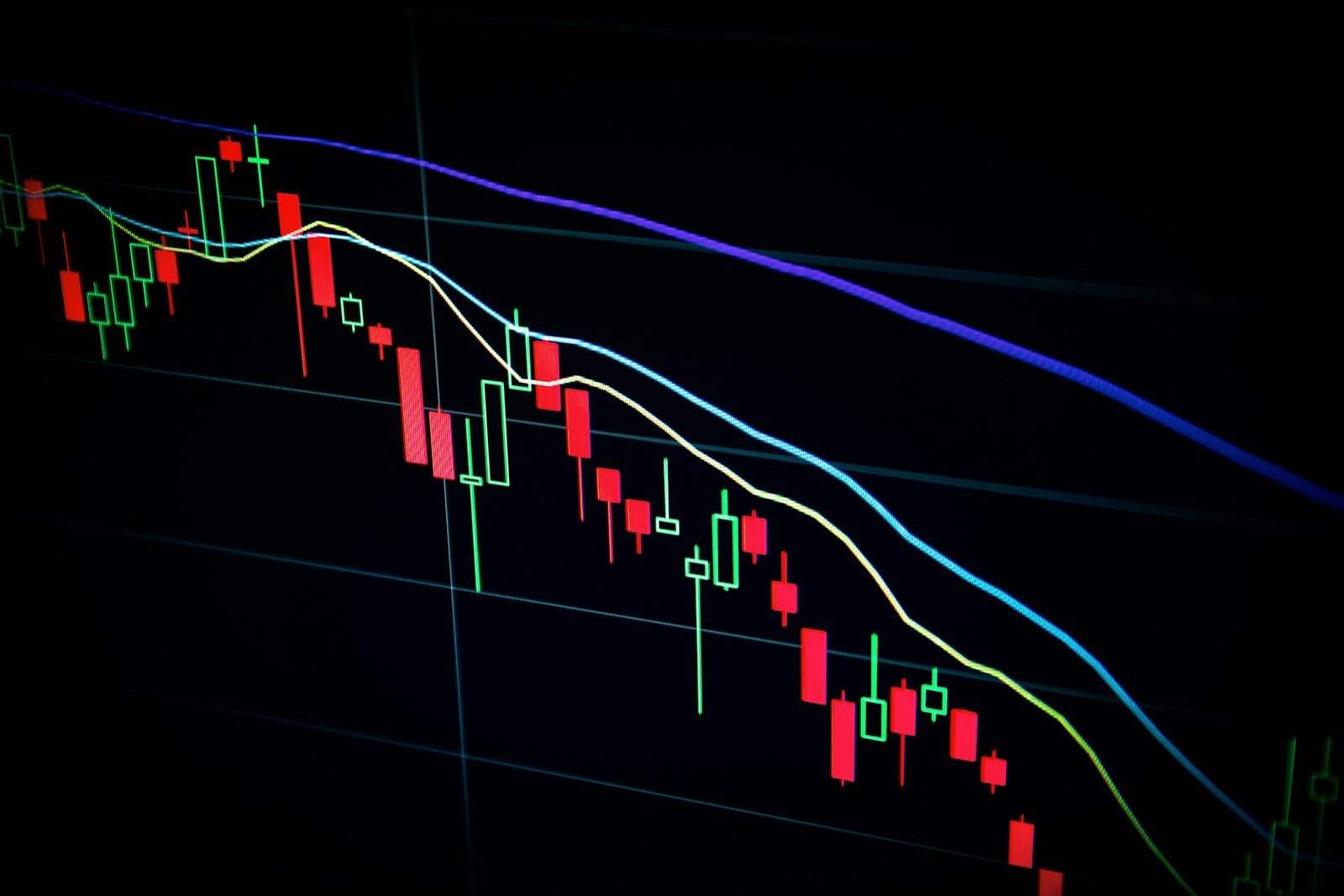
KOSPI AI stock selloff is the core development covered in this report. Below is a sourced breakdown of what is confirmed, what remains uncertain, and why it matters.
Why KOSPI AI stock selloff matters now
This section focuses on the practical implications of KOSPI AI stock selloff for readers following the story — what changed, what is confirmed, and what remains open.
South Korea’s benchmark stock index closed sharply lower on Wednesday, July 29, 2026, as investors kept dumping AI-linked chipmakers and reassessed whether years of capital spending will translate into durable returns. According to Channel News Asia reporting of the Seoul close, the Korea Composite Stock Price Index (KOSPI) slipped as much as 12.6% intraday before paring losses to finish about 6% lower, after a prior session in which the market had already dropped more than 10%. AFP/France 24 put the Kospi close at a round 6.0% decline, to 5,663.24.
The two-day slide has been severe even by the standards of a market that had soared on the AI memory trade. CNA said South Korean equities had shed more than 16% across the last two sessions, with month-to-date losses near 33.2%, described as the market’s worst monthly performance on record after a 12-month rally that had more than tripled the KOSPI into June.
The selloff is not only a Seoul story. Taiwanese shares finished about 3.8% lower at their weakest level since mid-May, CNA reported, while Japan’s Nikkei fell in Asian trade as the regional AI-linked rout deepened. At the same time, some non-tech heavy markets moved the other way: Singapore’s FTSE Straits Times Index rose more than 1% to a record high near 5,696.65, and London’s FTSE 100 briefly set a fresh peak as energy majors benefited from a jump in crude.
Why AI valuations suddenly look fragile
Asian chipmakers sat at the center of this year’s AI-driven equity rally and are now at the center of the unwind. Investors have shifted from celebrating capacity expansion to questioning circular financing among a handful of large technology firms, unclear organic demand, and the risk that free-cash-flow pressure at U.S. hyperscalers will force a slower spending cycle.
SK hynix illustrated the mood. CNA reported the memory maker fell about 9% as investors digested earnings that showed quarterly operating profit rising more than sixfold yet still missing lofty expectations. AFP/France 24 separately said the shares shed almost 20% at one point and that the company had lost more than half its value since a record high roughly a month earlier. Samsung Electronics declined about 5%, CNA said. Together, Samsung and SK hynix account for more than half of KOSPI market capitalization, so single-name moves move the index.
SK Hynix delivered strong results, but in today’s AI market, strong is no longer enough.
Gary Tan, Allspring Global Investments, quoted by CNA
Portfolio managers are looking beyond headline profit growth for long-term customer agreements and clearer shareholder-return frameworks. Without those signals, memory stocks that once defined the AI trade are being treated as crowded positions rather than must-own growth assets.
What moved across Asia and beyond
CNA said MSCI’s broadest Asia-Pacific index outside Japan was down over 2.45% on Wednesday after shedding 3.6% on Tuesday. Hong Kong’s Hang Seng, however, rose about 1.4% to 2.0% depending on the close cited, helped by a rebound in local tech after a painful first half. Shanghai, Manila and Mumbai also showed pockets of strength as some money rotated out of crowded AI names into less-owned markets.
In Europe, AFP reported mixed sessions: luxury names swung on China demand worries, while London’s energy-heavy FTSE 100 benefited from crude’s rebound. Nasdaq futures were weaker in Asian hours, and traders remained focused on U.S. mega-cap earnings, including Microsoft and Meta, as a near-term test of whether AI capital expenditure can still be defended to shareholders.
The Federal Reserve’s policy decision the same day added another layer of volatility. Oil’s rebound has pushed inflation risk back into the conversation even as many investors still expected rates to be left unchanged under the Fed’s current guidance regime.
Oil spike and the Fed backdrop
While AI stocks sold off, crude jumped after fresh Middle East strikes shattered a short stretch of relative calm. CNA cited Brent futures up about 3% to $87.19 a barrel and U.S. West Texas Intermediate above $82 early in the Asian session; later AFP figures around midday GMT showed Brent up about 5.2% near $88.44 and WTI up about 4.9% near $83.13. Those are session snapshots, not a single official settle; traders should treat exact levels as time-stamped.
The energy move matters for equity strategy because higher fuel costs can complicate the inflation path just as investors are already nervous about expensive growth stocks. For Korea specifically, a weaker won and a more hawkish global rate outlook would tighten financial conditions for exporters that rely on overseas demand for chips and consumer electronics.
What investors should watch next
- U.S. hyperscaler earnings commentary on AI capex, free cash flow and demand visibility.
- Any guidance from Korean and Taiwanese chipmakers on long-term supply agreements.
- Whether the KOSPI can stabilize after a two-day drawdown exceeding 16%, as reported by CNA.
- Fed messaging on inflation if energy prices stay elevated.
- Signs of rotation into non-AI Asian markets such as Singapore banks and ASEAN domestics.
None of those catalysts guarantees a rebound. Markets that rose the fastest on AI optimism are now being marked to a stricter standard: profits must clear elevated expectations, and spending plans must look financeable without indefinite balance-sheet strain.
For households and smaller investors in Korea, the practical lesson is concentration risk. When two chip giants dominate index market value, a sector rethink becomes a national-market event. Diversification into banks, exporters outside memory, or regional markets that rallied on Wednesday, including Singapore lenders, has been one tactical response described by managers rotating away from crowded AI books.
Policymakers will also watch financial stability signals: foreign selling pressure, won volatility, and whether margin-related forced selling amplifies closing auctions after double-digit intraday swings. A market that can fall more than 10% one day and still print another roughly 6% loss the next is operating in stress territory even if listed companies’ long-term chip demand story remains intact.
FAQ
How much did the KOSPI fall on July 29, 2026?
CNA reported an intraday slide of as much as 12.6% before a close about 6% lower. AFP/France 24 likewise described a roughly 6% decline at the close, to 5,663.24.
Why did SK hynix fall if profits rose?
Results showed strong profit growth but missed elevated market expectations. In a crowded AI trade, missing the bar and lacking incremental catalysts on contracts or returns can trigger outsized selling.
Is this only a Korea problem?
No. Taiwan equities also fell sharply, Japan declined, and U.S. tech futures were soft. Some markets without heavy AI weightings, including Singapore and London at points during the day, traded higher.
Primary sources
Related coverage on Topic Express
- Amazon Layoffs 2025: AI Push and Corporate Restructuring
- Oil Prices Jump as Hormuz Fears Return
- India Approves Semicon Mission 2.0
- More Business & Finance coverage
Bottom line: July 29’s Korea selloff was a valuation and expectation reset inside the AI trade, not a single-stock accident. Exact percentage moves should be read from the closing reports above, especially the distinction between the roughly 12.6% intraday low and the about 6% close, because those differences matter for anyone tracking drawdowns, risk limits or headlines that flatten a volatile session into one number.
Image: Photo via Unsplash (Unsplash License)
Related Topic Express coverage
- Google Launches Gemini Spark in India: What the Always-On AI Agent Can Do
- 1,224 AI Lab Staff Ask Washington to Help Pace Automated AI Development