










The WHO pandemic accord was adopted with applause in Geneva more than a year ago, yet as of July 2026 not a single country has signed or ratified it — and the agreement legally cannot enter into force until that changes. The gap between a historic diplomatic achievement and an operative international treaty comes down to one unresolved annex: the Pathogen Access and Benefit-Sharing (PABS) system, which member states have now spent seven negotiating rounds trying to finalise without success.
What Was Actually Adopted in 2025
On May 20, 2025, the 78th World Health Assembly (WHA78) formally adopted the WHO Pandemic Agreement by consensus, following a committee vote a day earlier of 124 in favour, none against and 11 abstentions. The pact was the product of more than three years of negotiations launched in response to the gaps and inequities exposed by COVID-19, and it sets out principles for equitable and timely access to vaccines, therapeutics and diagnostics during future pandemics, according to Reuters. Notably, the United States did not participate in the final adoption after the Trump administration began a 12-month withdrawal process from the WHO, a point Reuters said “cast doubt on the treaty’s effectiveness” from the outset.
Why the Agreement Still Cannot Be Signed
Under Article 31(2) of the Agreement, the treaty cannot be opened for signature or ratification until its Pathogen Access and Benefit-Sharing annex is separately negotiated and adopted by the World Health Assembly. That annex is meant to spell out exactly what a country that shares a dangerous new pathogen sample is guaranteed to receive in return — such as a share of resulting vaccines or diagnostics — and it was deliberately deferred to a dedicated Intergovernmental Working Group (IGWG) because negotiators could not agree on its terms before WHA78. Once the PABS annex is adopted, the full Agreement becomes open for national ratification, and it enters into force 30 days after 60 countries have ratified it, per the World Health Organization.
Seven Rounds of Talks, Still No Deal
The IGWG has now met repeatedly without resolving the annex. A resumed sixth session concluded on May 1, 2026, with member states agreeing only to extend negotiations, leaving the Agreement inoperative a full year after adoption. WHA79, held May 18-23, 2026, formally authorised continued talks through mid-2027. In a June 15, 2026 open letter to the leaders of the G7, G20 and BRICS, WHO Director-General Tedros Adhanom Ghebreyesus and Brazilian President Lula da Silva jointly urged governments to resolve the deadlock. The seventh IGWG session ran in Geneva from July 6 to 17, 2026, and concluded, per a WHO news release, with member states “reaffirming their commitment to continue intensive negotiations toward an ambitious, effective and equitable PABS annex,” but without a finalised text. An eighth session has been scheduled for September 14-18, 2026.
What’s Actually Being Fought Over
The core disagreement is a trade-off between pathogen-sharing speed and guaranteed benefit-sharing terms. Wealthier countries with major pharmaceutical industries have resisted binding commitments that could affect intellectual property rights or manufacturing incentives, while lower- and middle-income countries insist any pathogen-sharing system must come with concrete, enforceable guarantees of access to the vaccines and treatments developed from shared samples — otherwise, they argue, they have little incentive to report outbreaks quickly. A related fight during the original 2025 negotiations, over Article 11’s technology-transfer language, was resolved only through a compromise requiring transfers to be “mutually agreed” rather than mandatory, according to The Hindu — a similar compromise formula is what negotiators are now trying to replicate for the harder PABS annex.
Pandemic Accord Timeline: Adoption to Deadlock
| Date | Milestone |
|---|---|
| May 20, 2025 | WHA78 formally adopts the WHO Pandemic Agreement (124-0-11 committee vote) |
| Jan 2025 | US begins 12-month WHO withdrawal process, absent from final adoption |
| May 1, 2026 | Resumed 6th IGWG session ends; PABS talks extended, one year after adoption |
| May 18-23, 2026 | WHA79 authorises continued PABS negotiations through mid-2027 |
| Jun 15, 2026 | Tedros and Lula issue joint open letter to G7, G20, BRICS urging resolution |
| Jul 6-17, 2026 | 7th IGWG session held in Geneva; concludes without a finalised annex |
| Sep 14-18, 2026 | 8th IGWG session scheduled |
What Ratification Would Actually Change
Once operative, the Agreement would obligate parties to strengthen national pandemic prevention and preparedness plans, improve surveillance and early-warning systems, and support a “100 Days Mission” aimed at compressing the time between outbreak detection and vaccine authorisation. It explicitly does not grant WHO or its Director-General authority to override national law or mandate specific domestic measures such as travel bans or vaccination requirements — a provision inserted specifically to address sovereignty concerns raised during negotiations. A Conference of the Parties would be established as the treaty’s main governing body, meeting regularly to review implementation once the required 60 ratifications are reached.
India’s Role in the Ongoing Talks
India has been an active participant throughout the negotiations, pressing — alongside other developing countries — for the PABS system to include concrete, legally enforceable benefit-sharing terms rather than aspirational language, reflecting concerns shared broadly across the Global South that a pathogen-sharing obligation without guaranteed reciprocal access to resulting vaccines would primarily benefit wealthier nations with existing manufacturing capacity.
Limitations
- No finalised PABS annex text was public as of the 7th IGWG session’s conclusion in July 2026.
- It remains uncertain whether the 8th IGWG session in September 2026 will produce a resolution or require further extensions.
- The practical effect of continued U.S. non-participation on the treaty’s eventual implementation and funding has not been fully assessed.
- Even after PABS is adopted, the additional time required to reach 60 ratifications is unknown and could take years.
Reader FAQ
Has any country ratified the WHO Pandemic Agreement?
No. As of July 2026, the Agreement cannot legally be signed or ratified by any country because the required PABS annex has not yet been adopted by the World Health Assembly.
What is the PABS annex?
The Pathogen Access and Benefit-Sharing annex defines the terms under which countries share dangerous pathogen samples and what they receive in return, such as guaranteed access to a share of resulting vaccines, diagnostics or treatments.
How many ratifications are needed for the treaty to take effect?
Sixty countries must ratify the Agreement, after which it enters into force 30 days later — but ratification cannot even begin until the PABS annex is adopted.
Is the United States part of the negotiations?
No. U.S. negotiators withdrew from discussions after President Trump initiated the country’s withdrawal from the WHO in January 2025, and the U.S. did not take part in the treaty’s final adoption.
Bottom Line
The WHO pandemic accord remains, in practice, a treaty on paper rather than in force: adopted with historic unanimity in 2025, but stuck more than a year later behind an unresolved benefit-sharing annex that has now survived seven negotiating rounds without a breakthrough. With an eighth round scheduled for September 2026 and WHA79 already extending the deadline into mid-2027, the accord’s fate now depends on whether wealthy and developing nations can finally agree on what a country gets in return for sharing the next dangerous pathogen it discovers.
Primary sources
Related Topic Express coverage
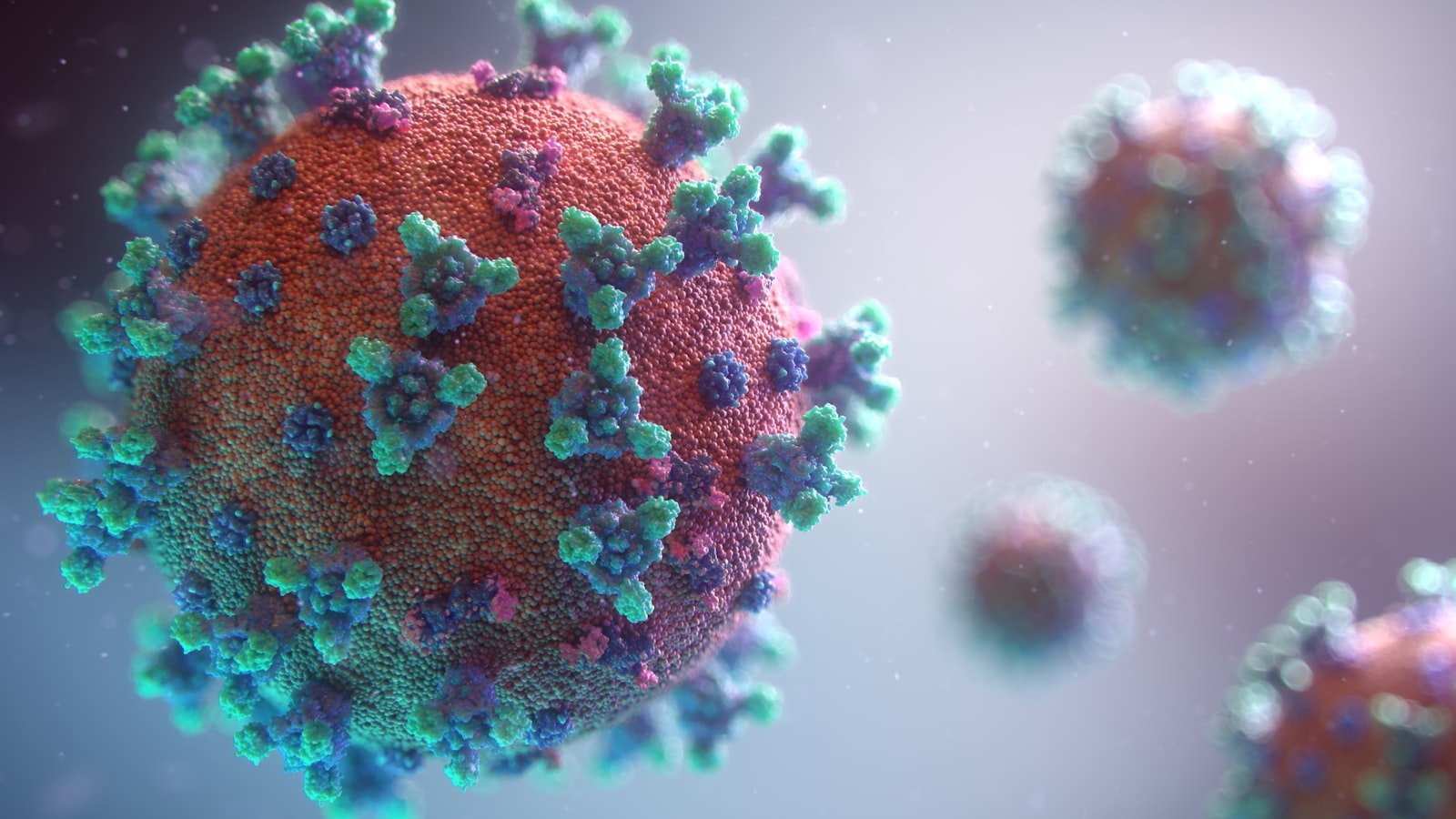
Featured image: Photo via Unsplash (photo-1584036561566-baf8f5f1b144); free to use under the Unsplash License. Illustrative only.