










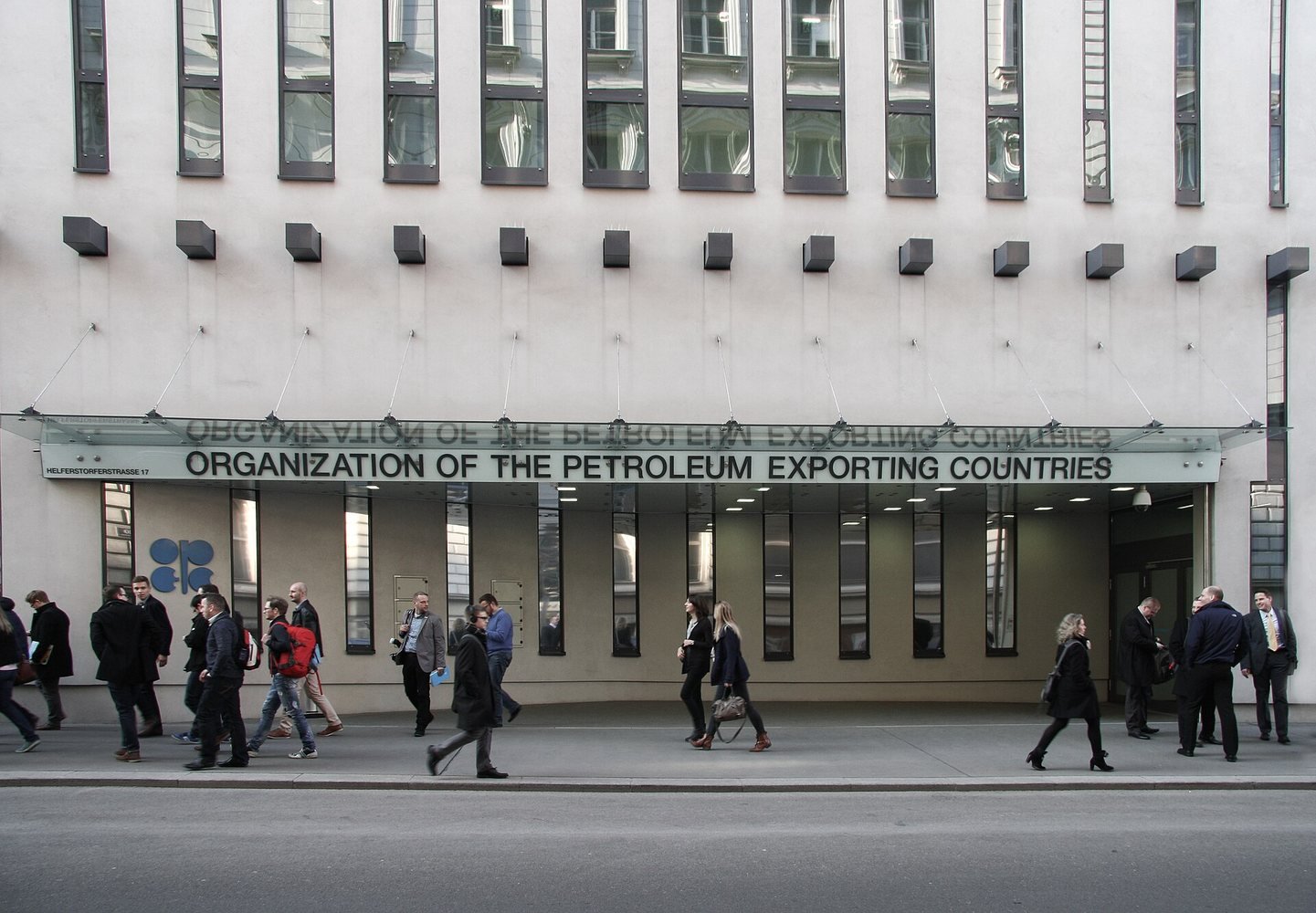
OPEC Plus August 2026 output is the core development covered in this report. Below is a sourced breakdown of what is confirmed, what remains uncertain, and why it matters.
Why OPEC Plus August 2026 output matters now
This section focuses on the practical implications of OPEC Plus August 2026 output for readers following the story — what changed, what is confirmed, and what remains open.
Seven OPEC+ producers agreed in early July 2026 to raise collective oil output by 188,000 barrels per day in August—another step in unwinding voluntary cuts first announced in 2023. Their next virtual review is set for August 2, a meeting traders increasingly frame as a decision point: finish the latest hike, then decide whether to pause.
The participating countries are Saudi Arabia, Russia, Iraq, Kuwait, Kazakhstan, Algeria, and Oman. According to the group’s statement and follow-on reporting of the July 5 meeting, the August adjustment continues a cautious, month-by-month return of barrels from the April 2023 voluntary reductions. Officials again stressed flexibility to increase, pause, or reverse the phase-out if market conditions change.
What the July decision actually does
OPEC’s published table for the August increment allocated roughly 62,000 bpd each to Saudi Arabia and Russia, about 26,000 bpd to Iraq, 16,000 bpd to Kuwait, 10,000 bpd to Kazakhstan, 6,000 bpd to Algeria, and 5,000 bpd to Oman. Those figures are production-target adjustments—not guarantees of every physical barrel arriving on the water the same month—but they set the official ceiling the Joint Ministerial Monitoring Committee will track.
The alliance also tied the hike to compliance politics. Extra room can help members accelerate compensation for volumes produced above quota since January 2024, with the compensation window extended through December 2026. In other words, August is both a supply decision and a housekeeping tool for overdue make-up cuts.
Why markets talk about a “final” hike
“Final” here is market shorthand, not an official OPEC slogan. After several consecutive monthly increases, remaining voluntary barrels available for a similarly sized step are thinner, and price signals have been softer than during earlier unwind phases. Analysts watching inventories, refining margins, and demand into the Northern Hemisphere’s late summer argue that Aug. 2 is when ministers may prefer a pause over another automatic increment.
That does not mean a permanent freeze. The July language explicitly preserved the option to speed up, stop, or reverse the phase-out, including earlier November 2023 adjustments if needed. A pause would still leave OPEC+ able to react quickly to disruptions, unexpected demand strength, or a sudden inventory draw.
The Aug. 2 agenda traders will parse
- Market balance: Are OECD stocks and floating storage comfortable after five months of gradual increases?
- Conformity: Are compensation schedules on track, or do overproducers still need more runway?
- Demand seasonality: How firm is late-summer gasoline and middle-distillate demand versus early autumn weakness?
- Geopolitical risk premium: Has the risk premium in crude prices faded enough that extra barrels feel less necessary?
Because the group meets monthly, Aug. 2 is less a grand summit than a checkpoint. Still, consecutive small hikes have cumulative effects. Another 188,000 bpd may look modest beside global demand near 100 million bpd, yet the signal of policy direction often moves futures more than the arithmetic alone.
Implications for prices, consumers, and producers
For consumers, a pause would not automatically cut pump prices; refining costs, taxes, and local competition matter more day to day. For producers outside the seven-country subgroup, clearer OPEC+ guidance reduces guesswork about second-half supply. For the seven themselves, the trade-off is familiar: defend market share by returning barrels, or defend revenue by holding back if prices soften too far.
Investors should also separate headline quotas from realized supply. Maintenance, pipeline limits, and field decline can leave actual output below targets. Conversely, some members have historically struggled to stay within agreed ceilings—hence the compensation focus in the July statement.
How to read the next statement
Watch three phrases on Aug. 2. First, whether ministers announce another production adjustment number for September or explicitly cite a pause. Second, whether language on “full flexibility” grows more emphatic—often a hint that risk management, not automatic unwinding, is in charge. Third, any update on compensation deadlines or Joint Ministerial Monitoring Committee findings, which can foreshadow stricter enforcement even without a new hike.
Until then, August’s 188,000 bpd increase is the near-term fact. The open question is whether that step marks the last scheduled nudge in this sequence or merely another waypoint in a longer, stop-start restoration of voluntary cuts.
FAQ
How large is the August OPEC+ hike?
Seven countries agreed to raise collective targets by 188,000 barrels per day for August 2026, continuing the gradual return of April 2023 voluntary adjustments.
Who is meeting on August 2?
The same seven OPEC+ members—Saudi Arabia, Russia, Iraq, Kuwait, Kazakhstan, Algeria, and Oman—plan another monthly virtual meeting to review markets, conformity, and compensation.
Does a pause mean production will fall?
Not necessarily. A pause would typically hold targets near the newly raised August levels rather than cut them, unless ministers separately decide to reverse earlier unwind steps.
Why mention compensation?
Members that overproduced relative to agreements since early 2024 pledged to make up volumes; higher official targets can create room to accelerate those compensatory reductions.
Primary sources
Related coverage
- How voluntary OPEC+ cuts since 2023 reshaped spare capacity perceptions
- What monthly 100–200 kb/d increments mean for global oil balances
- Tracking compensation schedules versus actual tanker loadings
Image: Photo: Vincent Eisfeld via Wikimedia Commons (CC BY-SA 4.0)
Related reading: U.S. Strategic Petroleum Reserve Hits Lowest Level Since 1983
Related Topic Express coverage
- Fed Decision July 2026: Why Markets Expected a Hold — and What Comes Next
- IMF Cuts 2026 Global Growth to 3%: War Drag Meets AI Boom