










IBC Section 14 moratorium is the core development covered in this report. Below is a sourced breakdown of what is confirmed, what remains uncertain, and why it matters.
Why IBC Section 14 moratorium matters now
This section focuses on the practical implications of IBC Section 14 moratorium for readers following the story — what changed, what is confirmed, and what remains open.
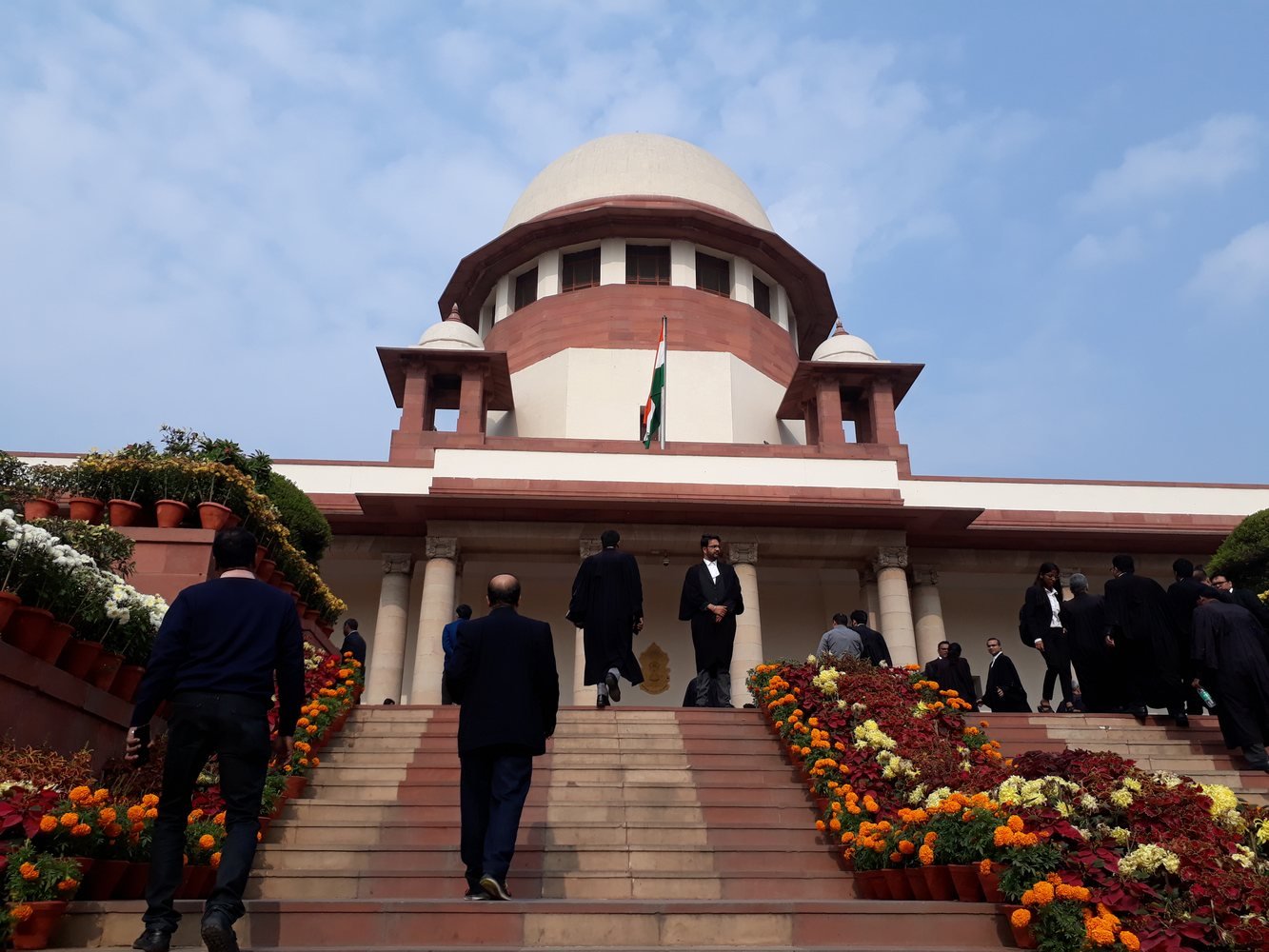
On 27 July 2026, a Supreme Court Bench of Justices Vikram Nath and Sandeep Mehta clarified a recurring flashpoint in real-estate insolvency: a moratorium under Section 14 of the Insolvency and Bankruptcy Code, 2016 (IBC) protects the corporate debtor alone. It does not automatically stall consumer complaints against promoters, directors, subsidiaries, or personal guarantors who are not independently covered by that moratorium.
The dispute in brief
In Tejas J. Shah & Amisha T. Shah & Ors. v. Mantri Technology Constellations Pvt. Ltd. (now known as Buoyant Technology Constellations Pvt. Ltd.) & Ors., homebuyers had pursued a consumer complaint. During the complaint’s pendency, the NCLT Bengaluru admitted insolvency against the developer company and a Section 14 moratorium followed. The National Consumer Disputes Redressal Commission (NCDRC) rejected applications seeking to continue the complaint against the remaining respondents and adjourned the matter indefinitely.
The Supreme Court set that approach aside. It restored the interlocutory applications and directed the NCDRC to proceed against respondents other than the corporate debtor, while keeping proceedings against the company itself subject to the Section 14 stay.
What Section 14 actually says—and what courts may not expand
Section 14’s purpose is a “calm period” for the corporate debtor: pending suits and proceedings against that debtor (including execution) pause so assets can be preserved for orderly corporate insolvency resolution (CIRP). The Bench stressed that the scope of the moratorium is statutory. Adjudicating authorities and courts cannot enlarge it beyond what the Code contemplates.
On a plain reading, the moratorium operates against the corporate debtor alone. “No other category, whether it be any subsidiary company, any managers/directors, personal guarantors etc. can be added to it unless specifically provided,” the Court observed. It also reiterated earlier holdings—including Ansal Crown Heights Flat Buyers Association and related consumer–IBC interface rulings—that promoters and directors do not inherit the company’s moratorium shield.
Applying those principles, the Court noted that only Respondent No. 1 was the corporate debtor in CIRP. “No independent moratorium or independent protection operates in favour of Respondent Nos. 2 to 7.” Absent a legal bar, the NCDRC was not justified in refusing to proceed against those respondents. The Code, the Bench emphasised, is meant to facilitate resolution—not to eclipse remedies under the Consumer Protection Act unless the statute expressly so provides. That separation keeps CIRP focused on the debtor’s estate while leaving personal accountability routes open where pleadings support them.
Before vs after
| Issue | Common practice before clarification | Position after 27 July 2026 |
|---|---|---|
| Consumer case vs developer in CIRP | Often treated as fully stalled once Section 14 attaches to the company | Stayed only as against the corporate debtor |
| Promoters / directors / other respondents | Frequently sought adjournments citing the company’s moratorium | Cannot claim automatic shelter; proceedings may continue |
| NCDRC case management | Risk of indefinite adjournment of entire complaint | Must separate debtor-protected claims from claims against others |
| Homebuyer strategy | Wait for CIRP outcome before any consumer relief | Parallel track against non-debtor respondents remains open |
Implementation questions
- Pleadings hygiene: Will consumer forums insist that parties clearly plead which reliefs run only against the corporate debtor versus personal or other respondents?
- Evidence overlap: How should tribunals handle documents and discovery when the company is stayed but co-respondents remain active?
- Execution risk: If an award issues against promoters while CIRP continues, how will execution interact with IBC asset-preservation rules for company property?
- Guarantor proceedings: Where personal guarantors face separate IBC processes under Part III, what coordination is needed so Section 14 of the corporate debtor is not misread as a blanket stay?
- Forum consistency: Will State commissions and district commissions align case-management practice with this Supreme Court clarification?
Limitations
The ruling does not dissolve the moratorium against the corporate debtor. Claims that can be enforced only against company assets still face Section 14. It also does not create new consumer causes of action; it preserves existing statutory remedies against persons the IBC did not shield. Outcomes still depend on pleadings, proof of personal liability or unfair trade practice, and any separate insolvency process covering an individual respondent. The judgment is fact-specific to respondents who had no independent moratorium protection.
Why the distinction matters for public administration
Section 14 is often invoked as a conversation-stopper in consumer forums: once CIRP begins, every related dispute is said to wait. That reading over-protects individuals whom the Code never named. By insisting on a plain-text perimeter, the Supreme Court reduces the incentive to use corporate insolvency as a shield for personal defendants, while still preserving the calm period the resolution professional needs over company assets. For NCDRC benches and State commissions, the administrative takeaway is case-management discipline—split the cause list, stay only what Section 14 stays, and list the rest.
Homebuyer litigation frequently mixes refund claims, deficiency-of-service allegations, and allegations against named directors. After 27 July 2026, counsel should expect sharper orders requiring parties to map each prayer to each respondent. Resolution professionals, conversely, should be ready to explain to forums why company-directed discovery cannot proceed, without arguing that co-respondents enjoy the same pause.
FAQ
Can homebuyers still sue a company in CIRP in the consumer forum?
Proceedings against the corporate debtor remain subject to the Section 14 moratorium. Parallel prosecution against uncovered promoters or directors can continue.
Does every director automatically remain exposed?
Exposure depends on whether they are properly arrayed as respondents and whether any independent statutory protection applies. The default is that the company’s moratorium does not extend to them.
Does this change CIRP itself?
No. It clarifies the perimeter of Section 14 so resolution of the company and consumer remedies against other persons can coexist where the Code allows.
What should complainants do next?
Review whether applications to proceed against non-debtor respondents were wrongly rejected, and seek revival consistent with this clarification.
Primary sources
Disclaimer: Summary of publicly reported holdings dated 27 July 2026. Not a substitute for the certified judgment or counsel advice in a pending matter.
Related Topic Express coverage
Featured image: Wikimedia Commons / Pinakpani (CC BY-SA 4.0)