










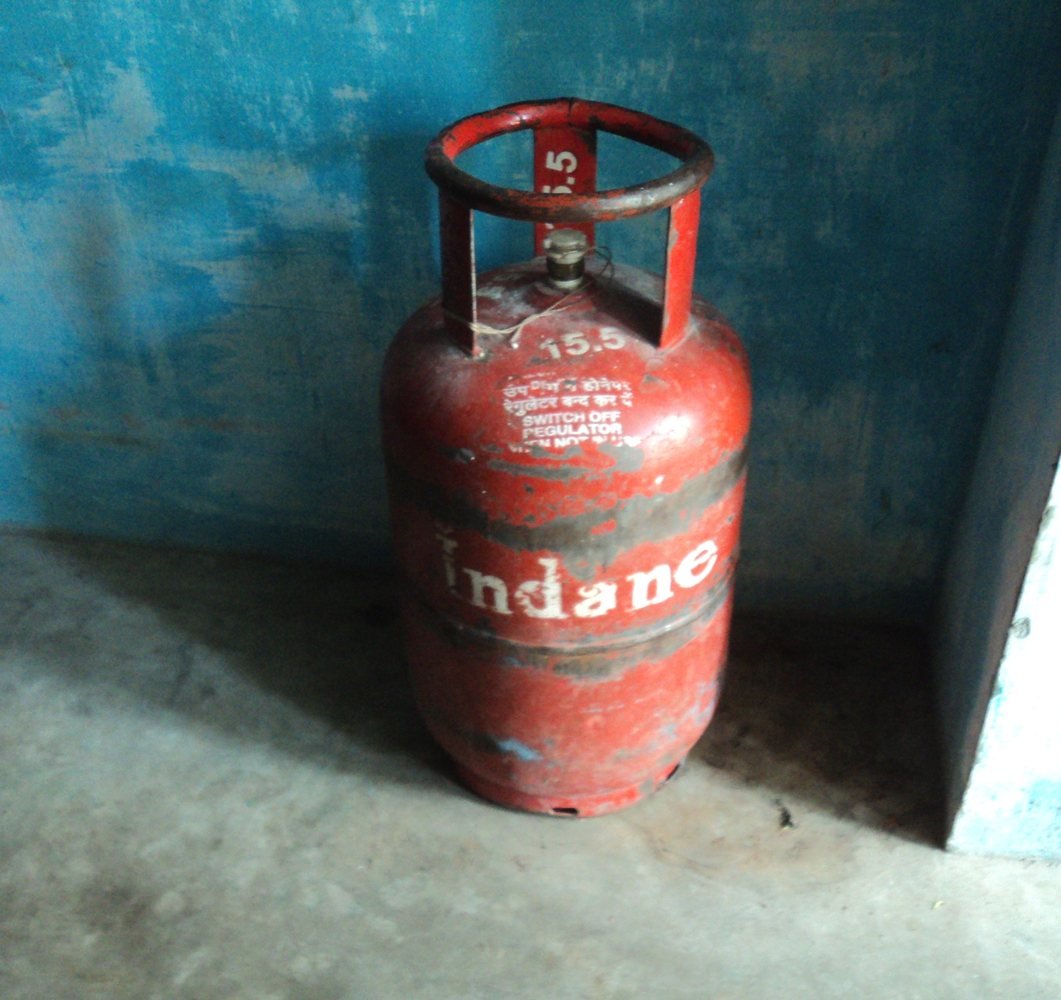
India US LPG imports 2027 is the core development covered in this report. Below is a sourced breakdown of what is confirmed, what remains uncertain, and why it matters.
Why India US LPG imports 2027 matters now
This section focuses on the practical implications of India US LPG imports 2027 for readers following the story — what changed, what is confirmed, and what remains open.
India plans to source up to a quarter of its liquefied petroleum gas (LPG) imports from the United States in 2027, three people familiar with the matter told Reuters on 28 July 2026. The shift would reduce dependence on Middle East supply and coincides with New Delhi’s effort to complete a bilateral trade understanding with Washington over the next few months.
The story is not only about geography. India’s LPG system was stressed earlier in 2026, when supply disruptions forced emergency diversion of petrochemical feedstocks toward household cooking gas. Diversification is therefore a security and household-energy issue as much as a trade-balancing tool.
What the sources and government data say
In 2025, India imported about 21.85 million metric tons of LPG, with roughly 90% coming from the Middle East. Imports covered about 66% of domestic LPG consumption, according to government data cited in the Reuters report. State refiners Indian Oil, Bharat Petroleum and Hindustan Petroleum are expected to issue tenders within one to two months for 2027 U.S. LPG supplies, and a company delegation may travel to the United States next month to discuss sourcing.
India’s oil ministry and the three companies did not respond to Reuters’ request for comment. Separately, junior oil minister Suresh Gopi told lawmakers that diversification is being pursued to ensure supply security and mitigate risks from regional disruptions or geopolitical events. India has also pledged to raise U.S. energy purchases by $10 billion to $25 billion in the near future, and the two countries have targeted $500 billion in bilateral trade by 2030.
A useful comparison from the primary data
Two comparisons clarify the scale. First, if 2027 imports rise toward about 20 million tons—as one source projected while demand recovers toward roughly 31 million tons—then a 25% U.S. share would be about 5 million tons. That would be more than double India’s initial 2026 annual-contract target of 2.2 million tons from the United States.
Second, the 2026 squeeze is already visible in provisional half-year numbers: January–June LPG consumption fell about 8% to roughly 14.7 million tons, while imports fell about 28% to about 7.5 million tons. Spot purchases have already accelerated; U.S. LPG imports topped 1 million tons in June for the first time and are likely to exceed the 2.2 million-ton 2026 contract target. In other words, the “2027 quarter share” ambition is an extension of an emergency pivot already under way, not a clean-sheet redesign.
| Metric | Figure | Implication |
|---|---|---|
| 2025 LPG imports | ~21.85 mt | Baseline import volume |
| Middle East share (2025) | ~90% | High geographic concentration |
| Import share of consumption (2025) | ~66% | Domestic output covers only about one-third |
| H1 2026 imports | ~7.5 mt (−28% YoY) | Supply shock already cut volumes |
| U.S. imports, June 2026 | >1 mt (first time) | Emergency diversification visible in spots |
| Planned U.S. share, 2027 | Up to 25% of imports | ~5 mt if imports are ~20 mt |
Trade, security and household energy intersect
Higher U.S. energy purchases could help narrow India’s goods trade surplus with the United States—an issue repeatedly flagged in bilateral talks. That commercial logic sits beside a harder physical constraint: cooking-gas availability. When Middle East cargoes tightened earlier this year, authorities diverted petrochemical feedstocks to households. That may stabilize kitchens in the short run, but it taxes industrial users who rely on the same molecules.
Atlantic Basin LPG can diversify risk, yet it is not frictionless. Longer shipping distances, freight rates, terminal capacity, and seasonal U.S. propane demand all affect landed cost and delivery reliability. A larger U.S. share also changes India’s exposure from one set of chokepoints and suppliers to another set of Atlantic logistics and U.S. domestic market conditions.
Scenarios and risks
Executed diversification: Tenders proceed, U.S. volumes scale toward the planned share, and household availability improves as total imports recover toward ~20 million tons in 2027. Trade talks gain a concrete energy deliverable.
Partial pivot: Spot U.S. cargoes continue, but term contracts undershoot 25% because of price, freight or terminal constraints. Middle East suppliers remain dominant, and India keeps a hybrid sourcing mix.
Demand scarring: If 2026 consumption weakness persists—one source expects full-year consumption near 30 million tons because of low supplies—import tenders may be sized cautiously even if geopolitical risk remains high.
Industrial feedstock tension: Renewed emergency diversions from petrochemicals to households would again protect cooking-gas users at the expense of plastics and chemical output—an under-appreciated macroeconomic channel.
What the reporting cannot establish
Anonymous-source plans are not signed contracts. The 25% figure, 2027 import recovery to ~20 million tons, and expected tender timelines have not been confirmed by the oil ministry or the three refiners in the Reuters account. The data also cannot establish the eventual landed-cost differential versus Middle East supply, the effect on cylinder retail prices, or whether a bilateral trade deal will close on the stated three-to-four-month horizon. Nor can it quantify how much of the H1 2026 consumption decline reflected rationing versus weaker demand.
Reader FAQ
Why LPG, not crude? LPG is the cooking fuel for tens of millions of households and a petrochemical feedstock. Shortages show up quickly in kitchens and in industrial chemicals, which is why diversification is politically and economically salient.
Does 25% end Middle East dependence? No. Even at a quarter U.S. share, a large majority of imports could still come from traditional suppliers unless other sources also expand.
Is June’s 1 million-ton U.S. import a new normal? It shows the emergency pivot is real, but one month does not prove a sustainable annual run-rate.
Will this lower cooking-gas prices? Not automatically. Prices depend on subsidies, freight, currency and global propane/butane markets—not only on supplier country.
Primary sources
Disclaimer: This article is for informational and educational purposes only. It is not investment, trading or financial advice.
Related Topic Express coverage
Featured image: Info-farmer / Wikimedia Commons (CC BY-SA 3.0)