




Nepal first trek is one of the highest-intent searches travellers make before locking dates for Annapurna. This guide explains what actually matters in Nepal: season fit, pacing, logistics, and the trade-offs that decide whether the trip feels restorative or rushed. It is written for Google-style questions — best time, how many days, what to do — without turning Annapurna into a checklist marathon.
Educational travel content only — not a booking offer, visa advice, medical advice, or a guarantee of weather, permits, prices, or availability.
Why Annapurna trends in Google searches
People search Nepal first trek when they need a decision: which month, how many days, and whether Annapurna matches their energy. In Nepal, that decision is shaped by weather windows, holiday calendars, and how crowded iconic viewpoints become on long weekends.
The highest-value content for travellers is not a list of every attraction. It is a clear map of trade-offs: time versus money, comfort versus adventure, and photos versus rest. This guide focuses on trail difficulty and packing for Annapurna.
Tags travellers associate with this destination often include nepal, trek. Use those as filters, not as obligations. You do not need to do every tagged experience to have a strong trip.
Best time and how many days for Annapurna
“Best time” depends on your goal. Snow seekers, monsoon lovers, festival crowds, and shoulder-season quiet travellers will answer differently for the same pin on the map in Nepal.
As a planning default, first-timers usually underestimate transit time into Annapurna and overestimate how many viewpoints fit in a single afternoon. Build half-day buffers for weather, tickets, and fatigue.
If you only have a weekend, shrink the radius. If you have five or more days, keep one full unscheduled day. That empty day is often the highest-rated memory after you return.
On-ground logistics travellers underestimate at Annapurna
Access to Annapurna may combine flights, trains, overnight buses, or mountain roads. Each hop adds delay risk. Read recent traveller notes for landslides, fog, or festival traffic — then verify with official advisories where available.
Inside the destination, walking, shared cabs, rented scooters, and local buses each change your day shape. Choose based on luggage, companions, and comfort with local driving culture in Nepal.
Carry offline maps, a power bank, and photocopies or phone scans of ID. Connectivity can be patchy even in popular tourism belts.
Activity safety and operator checks near Annapurna
Adventure and wildlife days depend on licensed operators, weather calls, and your honest fitness. A cancelled activity is cheaper than an emergency.
Ask about guide ratios, gear quality, altitude or heat protocols, and cancellation rules before paying. Screenshots of chat promises are weak evidence; written terms are better.
On trails and safaris, distance, silence, and leave-no-trace habits protect both you and the place. Wildlife is not a prop for reels.
Budget bands and packing for Nepal
Budget for Annapurna is not only hotels. Add local transport, entry tickets, warm or rain layers, SIM/data, travel insurance where relevant, and a contingency for weather delays.
Pack for temperature swings and footwear that can handle wet stone or dusty paths. Fashion shoes fail faster than travellers expect in hills and heritage cities.
Money: keep a mix of UPI/cards where accepted and some cash for smaller stalls. Tell your bank about travel dates if you are crossing borders.
Quick planner for Annapurna
| Planning question | Practical answer for travellers |
|---|---|
| Best for | Trek travellers exploring Annapurna |
| Typical first trip length | 2–5 days depending on access time |
| Biggest hidden cost | Transit delays + impulse activities |
| Crowd pattern | Peaks on long weekends and holidays |
| Decision tip | Match Annapurna to your energy, not only to Instagram |
How people search for Nepal first trek — and what they actually need
Search interest around Nepal first trek usually spikes before long weekends, school holidays, honeymoon planning windows, and after a viral reel shows Annapurna. Treat search snippets as starting points. Official tourism boards, park authorities, and weather services decide what is true for the week you travel.
Write your own one-sentence trip goal before you open twenty tabs: rest, adventure, food, culture, or photography. If you cannot state the goal for Annapurna in Nepal, you will overbook activities and underbook recovery time.
Keep a short note: dates, budget band, must-see list of three items only, and one backup indoor plan. That habit beats saving fifty screenshots you will never reopen on the road.
Scams, soft traps and common mistakes
High-intent travel topics attract fake “guaranteed sunrise” sellers, unofficial permit agents, and urgency language about rooms “almost gone.” Legitimate operators can explain cancellation rules in writing. If a message creates panic, slow down.
Confusing Instagram with an itinerary is expensive at Annapurna. A photogenic viewpoint may need early arrival, a ticket, weather luck, or a steep walk. Build buffers; do not stack five “musts” into one afternoon.
Social proof is not due diligence. Recycled WhatsApp hotel lists and anonymous Telegram “cheap package” channels optimise for commissions, not for your safety or refund rights.
Practical checklist before you book
- Define the trip in one sentence (rest / trek / food / culture / mixed).
- Name the official tourism or park page you will trust for rules.
- List weather risks for your exact dates, not for “the season” in general.
- Decide a hard daily spend cap and a hard activity cap.
- If you feel rushed by a seller, wait 24 hours.
This checklist is planning hygiene, not a recommendation to book any hotel, trek operator, or tour.
Worked thinking example (hypothetical)
Suppose you are researching Nepal first trek. On paper, write a beginner definition of what success looks like at Annapurna, two risks (weather and fatigue are classic), and one official URL you will open. Do not pay deposits until that page is filled.
Then stress-test: what if rain closes a road? What if altitude or heat slows you? What if a cafe street is more crowded than expected? Writing answers reveals whether you understand the place or only the marketing.
Separate research (maps, seasons, ethics), booking (refundable where sensible), and on-ground improvisation. Mixing those languages creates bad trips dressed up as “spontaneous.”
Limitations and what remains uncertain
- Road, permit, and weather conditions around Annapurna change faster than any static article.
- Prices, opening hours, and operator quality vary by season and neighbourhood.
- This is educational travel journalism, not a booking service or personalised itinerary.
- Always re-check official tourism and safety advisories before you travel.
Reader FAQ
Is Annapurna good for first-time visitors?
Yes for many travellers, if you respect seasonality and do not overpack the schedule. First-timers succeed when they protect sleep and transit buffers in Nepal.
How many days do I need for Nepal first trek?
Most first visits work in 2–4 full days on the ground, plus travel days. Adventure or multi-town loops need more. Let access time decide before FOMO does.
Do I need a package tour?
Not always. Independent travel works when research time is available; packages help when logistics are complex or language/permits feel heavy. Compare inclusions line by line.
Is this advice for booking a specific hotel?
No. Compare stays on location, cancellation rules, and recent reviews. We do not sell rooms or tours.
Bottom line
A strong plan for Nepal first trek starts with a clear trip sentence, honest season matching, and fewer, better experiences at Annapurna. Use official sources for live rules, keep buffers for weather, and treat viral lists as optional colour — not as a contract with your holiday.
Primary sources
Related Topic Express coverage
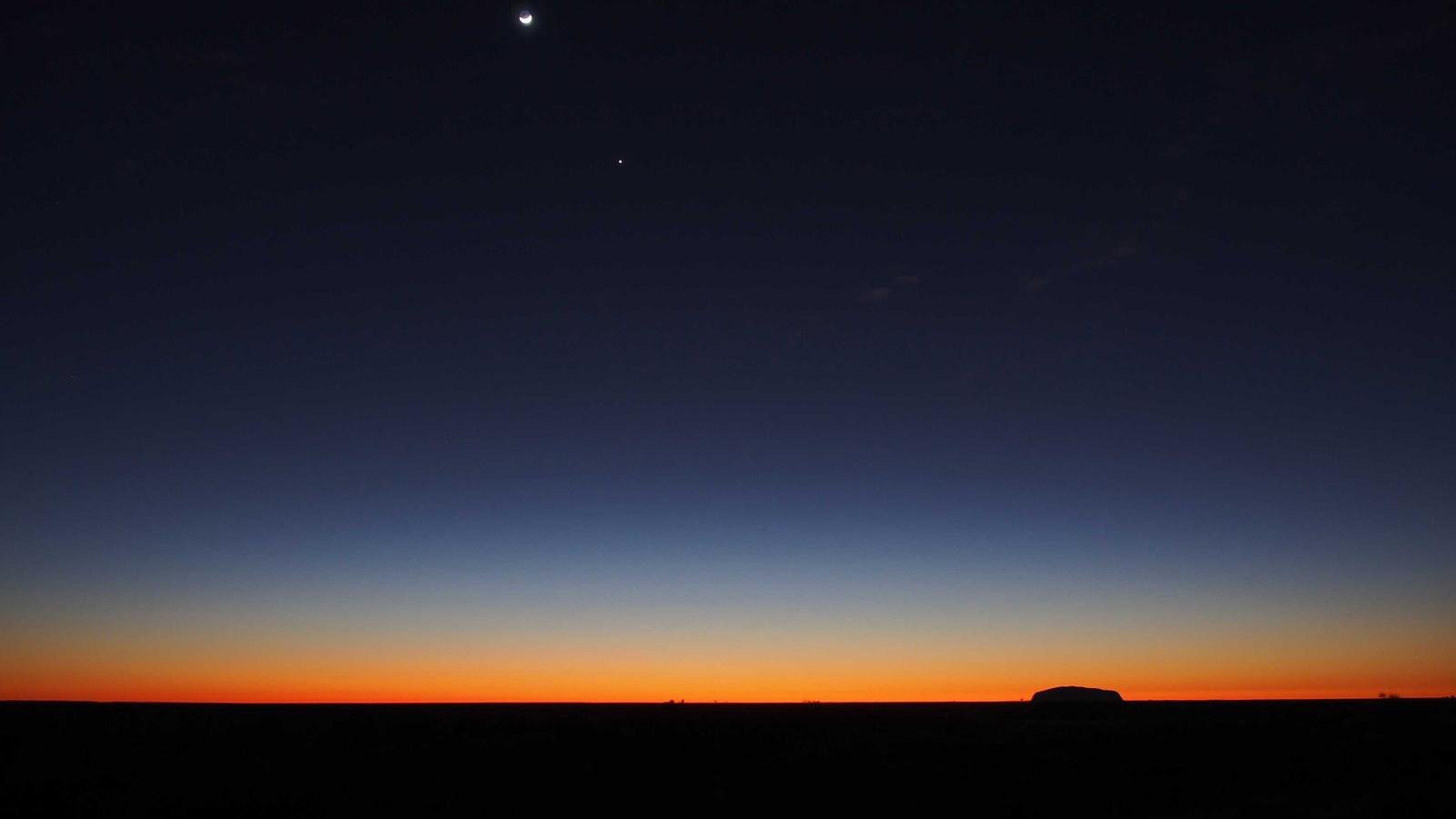
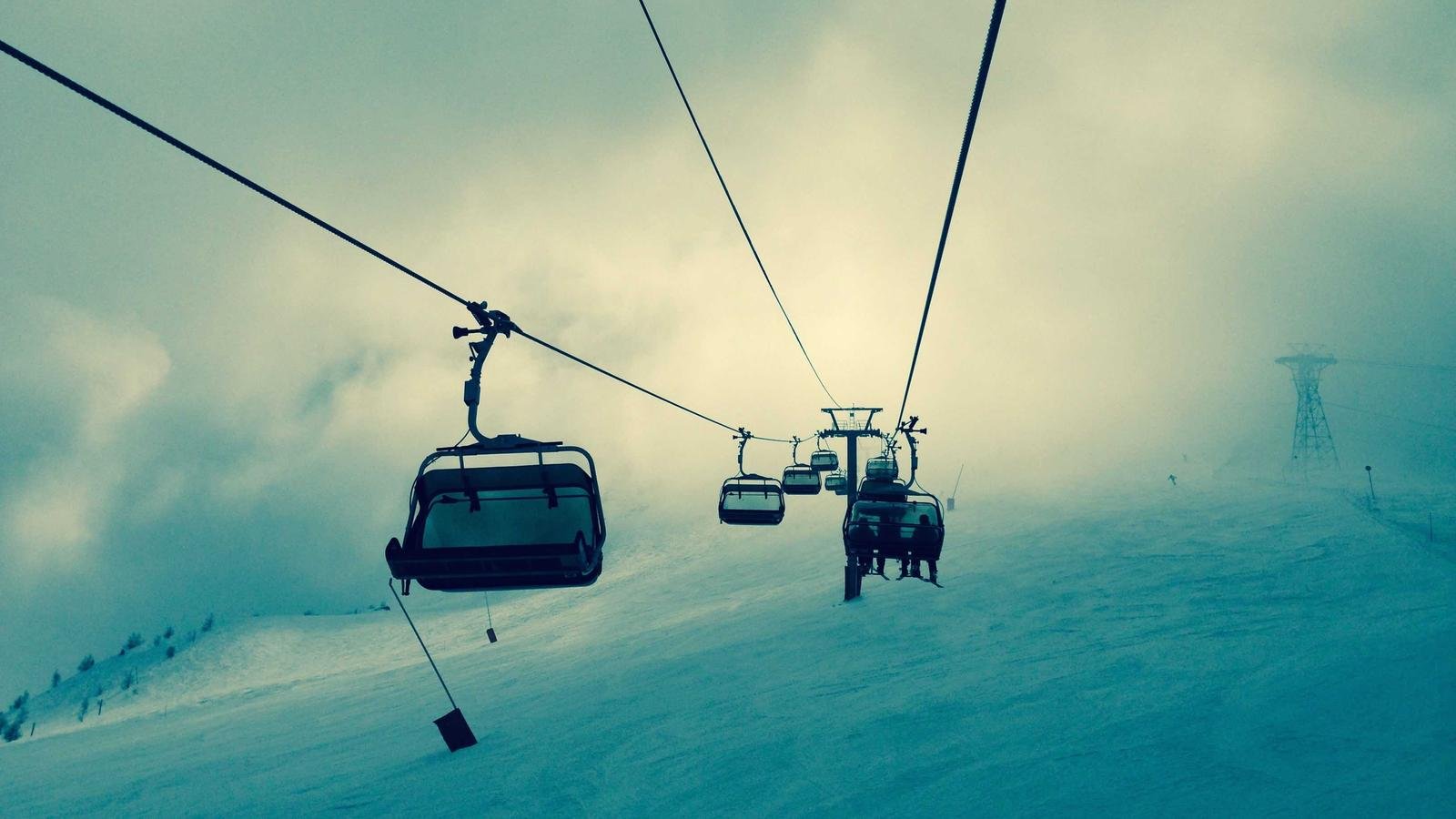
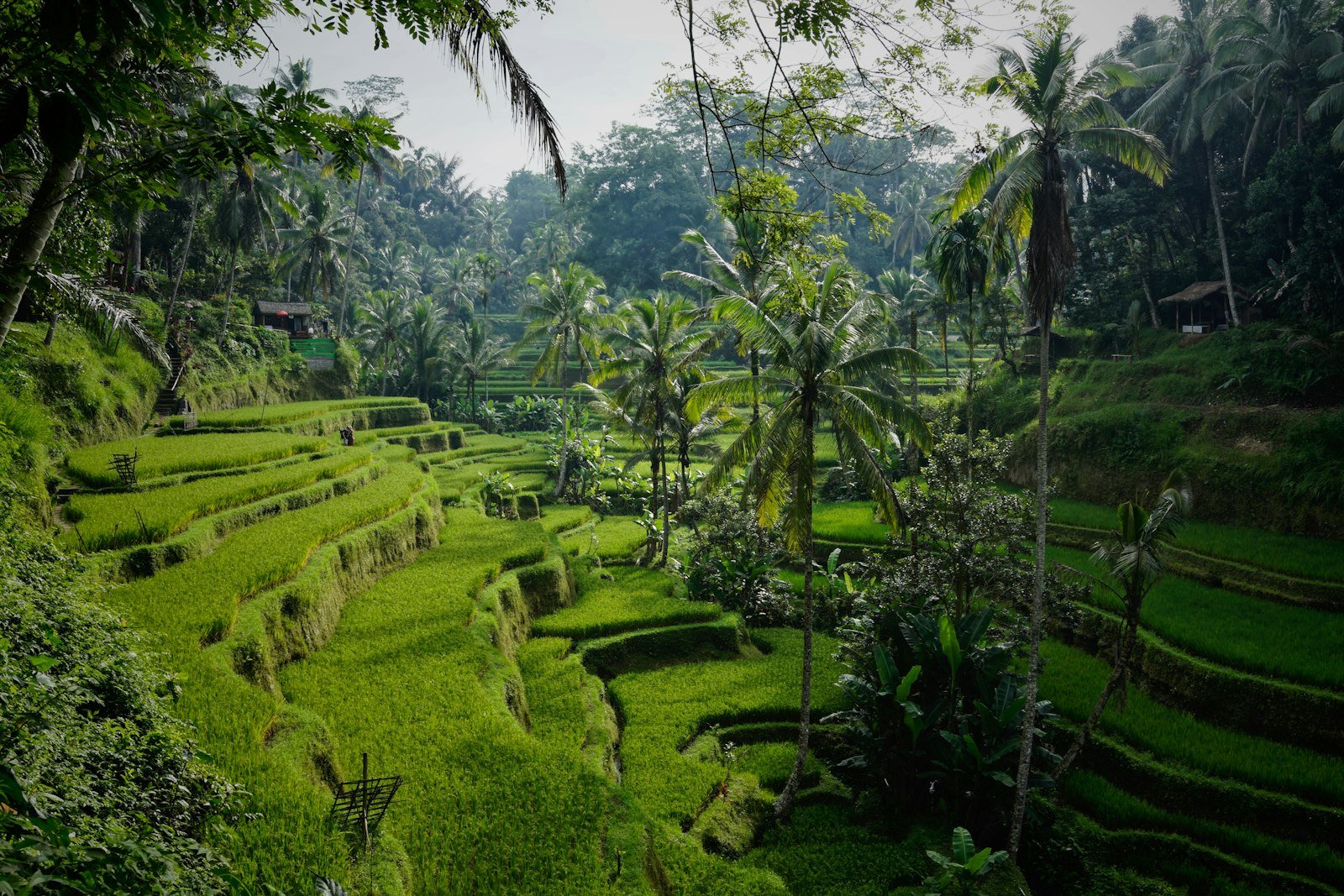
Featured image: Photo via Unsplash (photo-1555400038-63f5ba517a47); free to use under the Unsplash License. Illustrative only.