










The rupee vs dollar July 2026 story has been dominated by one theme: how close the Indian currency came to breaching its record low, and how forcefully the Reserve Bank of India stepped in to stop it. The rupee hurtled toward its all-time low of 96.96 per dollar amid surging crude oil prices and renewed Middle East tensions, before a series of large dollar-selling interventions by the RBI — including an estimated $7-9 billion sold on a single day — helped pull it back to close around 95.68 by July 30, 2026. This explainer walks through what pushed the rupee to the edge, how the central bank responded, and what it means for oil bills, imports, and investors watching the currency into August.
What Pushed the Rupee to the Brink
Three forces converged on the rupee in July 2026. First, Brent crude oil swung in a volatile $89-93 a barrel range as renewed hostilities between the United States and Iran raised fresh concerns about shipping disruptions through key Middle East routes — a serious problem for India, which imports close to 90 percent of its oil needs. Second, elevated oil-price volatility triggered a pickup in importer hedging, meaning Indian companies rushed to buy dollars to lock in exchange rates, adding direct pressure on the rupee. Third, a broadly firm US dollar, supported by a Federal Reserve that has kept the door open to further policy tightening, made every emerging-market currency, including the rupee, look weaker by comparison. Together, these forces pushed the currency to trade past the psychologically important 96-per-dollar mark and within striking distance of its record low.
How the RBI Responded
The Reserve Bank of India shifted from a measured pace of dollar supply through state-run banks to a markedly more aggressive defence over a three-day stretch in late July. Two senior bankers estimated the central bank sold between $8-9 billion across the spot and non-deliverable forward markets on a single Friday, followed by further dollar sales over the next two sessions. Notably, the RBI also began timing its interventions around off-peak trading hours — such as immediately after the daily fixing window — when market liquidity is thinner, allowing a given quantum of dollar sales to move the rupee further than it would during peak hours. Bankers described this shift as a signal that the central bank’s tolerance for rupee weakness near record-low levels has clearly diminished.
Key Numbers Behind the Move
| Metric | Figure |
|---|---|
| Rupee’s all-time low | 96.96 per US dollar |
| Rupee close, July 30, 2026 | 95.68 per US dollar |
| Estimated RBI dollar sales, single day (late July) | $7-9 billion |
| Capital inflows since early June 2026 | Approximately $40 billion, including $32 billion mobilised via special deposit schemes |
| Forex reserves as of July 17, 2026 | $676.2 billion, up more than $9 billion over three weeks |
Why It Matters Beyond the Trading Desk
A weaker rupee directly raises the cost of India’s oil import bill, since crude is priced and paid for in dollars; with per-barrel costs already running well above year-ago levels, a softer currency compounds the burden on the current account. It also makes imported inflation — everything from electronics components to edible oils — more expensive, a concern the RBI has to weigh alongside its inflation-targeting mandate. On the flip side, RBI Governor Sanjay Malhotra pointed to $32 billion mobilised through recently launched special incentive deposit schemes, such as enhanced FCNR-type windows for non-resident deposits, as evidence that policy measures announced in June 2026 are successfully attracting capital that gives the central bank more ammunition — in the form of larger forex reserves — to keep defending the currency without depleting its buffers too quickly.
Limitations of the Current Stabilisation
The rupee’s recovery from near-record lows is not the same as a durable trend reversal. Much of the relief has come from active intervention rather than a fundamental shift in the underlying pressures: crude oil prices remain volatile and geopolitically sensitive, importer dollar demand tends to resurface whenever oil swings higher again, and the Fed’s rate path remains a wildcard that can strengthen the dollar broadly at any time. RBI intervention itself is a finite tool — heavy, repeated dollar sales draw down reserves and cannot indefinitely offset a structurally wide trade deficit if oil prices stay elevated for an extended period. Traders and economists have flagged that any fresh negative geopolitical development in West Asia could quickly test the RBI’s resolve to defend current levels all over again.
What It Means for Businesses, Travellers and NRI Families
A weaker rupee has different effects depending on which side of a transaction you sit on. Indian exporters, particularly in IT services and pharmaceuticals, tend to benefit because dollar revenues convert into more rupees, supporting margins at a time when global demand growth is uneven. Non-resident Indians sending remittances home also gain, since every dollar transferred converts into more rupees than it would have a year earlier, which partly explains why special deposit schemes aimed at NRIs found such a strong response this year. On the other side of the ledger, students paying overseas tuition fees, families planning international travel, and companies that import machinery, electronics components, or edible oils all face a higher effective cost in rupee terms. For the RBI, the challenge is balancing these competing effects while keeping imported inflation in check, since a sustained slide in the currency can feed directly into retail prices for fuel and consumer goods even if headline inflation looks contained for now.
Frequently Asked Questions
What is the rupee’s all-time low against the dollar?
The rupee’s record low is 96.96 per US dollar, a level it approached closely in July 2026 before RBI intervention pulled it back toward the 95.50-95.70 range.
Why did the RBI intervene so aggressively in late July 2026?
The rupee was nearing its record low amid rising crude oil prices and Middle East tensions, prompting the central bank to sell an estimated $7-9 billion in a single day, followed by further sales, to prevent a disorderly slide past the 96-per-dollar level.
How do capital inflows help the RBI defend the rupee?
Inflows through special deposit schemes and other channels add to India’s foreign exchange reserves, which reached $676.2 billion as of July 17, 2026, giving the central bank a larger buffer to sell dollars without depleting reserves too quickly.
What could weaken the rupee again after this recovery?
A fresh spike in crude oil prices, renewed geopolitical tensions in West Asia, or a more hawkish Federal Reserve stance could all reignite dollar demand and pressure the rupee lower again.
Bottom Line
The rupee’s brush with its record low in July 2026, followed by an aggressive RBI defence, shows a currency caught between an expensive oil bill and a resilient capital-inflow story. The recovery to around 95.68 reflects central bank resolve and strong reserve accumulation more than a fundamental turnaround in India’s external position. Importers, travellers, and investors should treat the current stability as intervention-supported rather than structurally guaranteed, and keep a close eye on crude oil prices and Fed commentary as the key swing factors heading into August 2026.
Sources
- Economic Times: Rupee ends nearly flat at 95.68 vs USD
- Reuters via MarketScreener: RBI’s 3-day intervention push signals lower tolerance for rupee weakness
- Economic Times: Rupee nears record low amid rising oil prices and geopolitical risks
- Telegraph India: RBI sells $7 billion to defend rupee near record low
Primary sources
Related Topic Express coverage
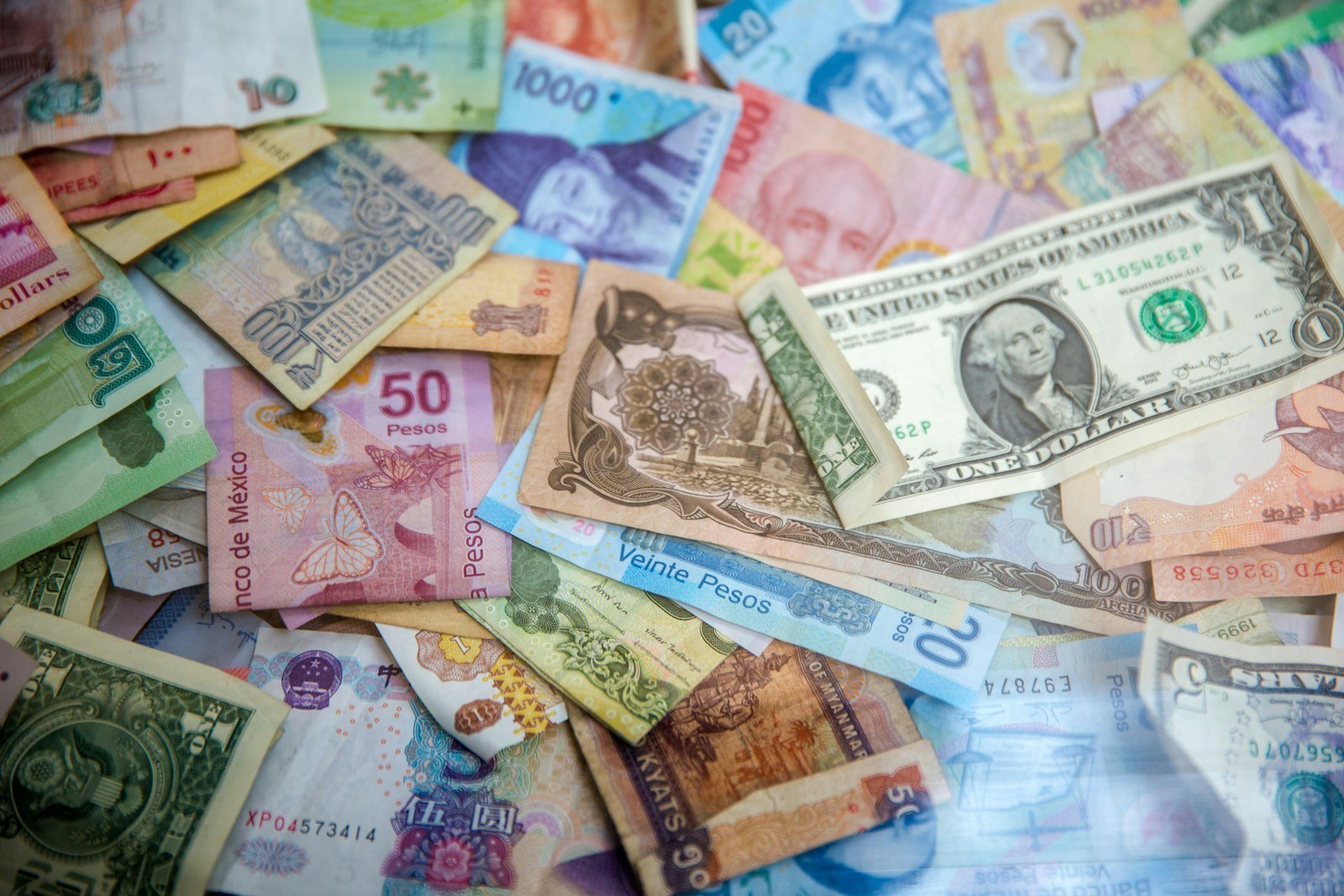
Featured image: Photo via Unsplash (photo-1580519542036-c47de6196ba5); free to use under the Unsplash License. Illustrative only.