








Amazon rainforest deforestation 2026 data shows the steepest decline in a decade, according to satellite monitoring from Brazil’s National Institute for Space Research (INPE). Between January and June 2026, an estimated 1,295 square kilometers of forest were cleared in the Brazilian Amazon — a 38% drop from the same period in 2025 and the lowest first-half total since 2016. This explainer unpacks what the latest numbers actually show, why deforestation is falling, and where the risks that satellites can’t easily see still remain.
What the Latest Data Shows
INPE’s near-real-time DETER alert system recorded 1,295 square kilometers of deforestation in the Brazilian Amazon between January and June 2026, down 38% from 2,090 square kilometers in the same period of 2025 and the lowest first-half figure since 2016. The trend held through the middle of the year: May 2026 alone saw 370 square kilometers cleared, a 61% drop from 960 square kilometers in May 2025 and the lowest May total on record, while June 2026 logged 297.26 square kilometers, down 35% from 457.61 square kilometers a year earlier.
Looking at INPE’s full monitoring calendar — which runs from August to July each year — deforestation alerts from August 2025 through June 2026 totaled 2,485.90 square kilometers, a 37.2% reduction from 3,959.98 square kilometers in the equivalent period a year earlier. Measured on a trailing 12-month basis, DETER registered 3,182 square kilometers of deforestation, the lowest total for any 12-month period since the system’s records began in July 2014. Brazil’s Cerrado savanna biome, monitored alongside the Amazon, showed a similar though smaller decline of 7.9% over the same 11-month window.
DETER vs. PRODES: Two Different Measuring Sticks
It helps to understand that INPE runs two separate satellite systems. DETER issues near-daily alerts using lower-resolution imagery from the CBERS-04, CBERS-04A, and Amazonia-1 satellites, designed to support rapid enforcement action rather than produce Brazil’s official deforestation figure. PRODES, by contrast, is INPE’s higher-resolution annual system, which calculates the country’s official deforestation rate once a year for the 12 months ending July 31.
The most recent official PRODES figure, covering the year ending July 2025, put Amazon deforestation at 5,796 square kilometers — an 11% drop from the prior year and the lowest annual PRODES reading since 2014. With DETER’s real-time alerts continuing to trend sharply downward through the first half of 2026, Brazil’s Environment Minister Marina Silva has said that if the trajectory holds, 2026 could set a new historic low for Amazon deforestation since satellite records began in 1988.
| Data Point | 2025 Value | 2026 Value | Change |
|---|---|---|---|
| January–June area cleared | 2,090 km² | 1,295 km² | -38% |
| May area cleared | 960 km² | 370 km² | -61% |
| June area cleared | 457.61 km² | 297.26 km² | -35% |
| Trailing 12-month DETER total | 4,633 km² | 3,182 km² | Lowest since records began in 2014 |
| Official PRODES rate (year to July 2025) | 6,288 km² (prior year) | 5,796 km² | -11% |
Why Is Deforestation Falling
Brazilian officials and independent researchers credit the decline to policy under President Luiz Inácio Lula da Silva, who took office in 2023 pledging to end illegal deforestation by 2030. His administration relaunched a national anti-deforestation action plan, increased penalties for environmental crimes, and directed targeted funding toward priority municipalities with historically high clearing rates. Ane Alencar, science director at the Amazon Environmental Research Institute, said the trend “shows that the political will to fight deforestation has prevailed” and that reduction “is responsive to decisions made by society and the government,” rather than being inevitable.
Fire activity has also eased. Fire accounted for an estimated 60% of primary forest loss in the Brazilian Amazon in 2024, and forest loss actually rose 27% in the first half of 2025 compared with the same period in 2024. But in the first half of 2026, the area of the Amazon that burned was nearly 40% smaller than the 2013-2025 historical average, according to João Paulo Sotero, director of deforestation and fire policy at Brazil’s Environment Ministry. Deforestation peaked in 2022 under Lula’s predecessor, when an area roughly 13 times the size of New York City was cleared; Brazil’s official rate has fallen by around half since then.
What the Numbers Don’t Capture
DETER and PRODES are both built to detect clear-cutting, where forest is fully removed. Forest degradation — selective logging, fire scarring, and thinning that leaves a partial canopy intact — is considerably harder to detect by satellite and to police on the ground, even in regions where headline clear-cutting numbers have improved dramatically. The political backdrop also matters: Lula is seeking re-election in Brazil’s October 2026 elections and has publicly used the deforestation data to rebut US tariff-related accusations that Brazil was failing to curb rainforest destruction. At the same time, environmental groups have criticized the same government for backing an oil-exploration project near the mouth of the Amazon River, a reminder that a falling deforestation number doesn’t mean every environmental decision points the same direction.
Limitations and Uncertainties
- DETER alerts indicate a trend, not Brazil’s official annual deforestation rate; the final PRODES figure for the current August 2025–July 2026 monitoring year will not be published until after the cycle closes, typically several months later.
- INPE has noted that heavy cloud cover in some months and regions, including parts of the Cerrado, can make it harder to detect clearing promptly, which may cause some detections to be recorded in later reporting periods.
- Different news outlets and researchers sometimes compare calendar-year and August-to-July monitoring-year windows, which can make year-on-year percentage changes appear inconsistent between reports.
- Real-time DETER data is provisional and subject to revision as additional satellite passes are processed and reviewed.
Frequently Asked Questions
Is Amazon deforestation actually going down in 2026?
Yes, according to INPE’s satellite-based DETER alert system. Deforestation in the first half of 2026 fell 38% compared with the same period in 2025, reaching its lowest level in a decade for that timeframe.
What is the difference between DETER and PRODES?
DETER is a near-real-time alert system used mainly to guide enforcement and flag trends quickly; PRODES is INPE’s official annual deforestation rate, calculated once a year using higher-resolution imagery for the 12 months ending July 31. Both come from INPE, but only PRODES sets the country’s official number.
Why is deforestation falling under the current Brazilian government?
Officials point to reinstated environmental law enforcement, higher penalties for illegal clearing, and municipal-level anti-deforestation action plans introduced since President Lula took office in 2023, combined with a notably lighter fire season in 2026.
Does this mean the Amazon is no longer at risk?
No. Even at 2026’s reduced pace, well over a thousand square kilometers of primary rainforest were still cleared in six months, and forest degradation from selective logging, which is harder to detect by satellite, remains a significant, less-visible threat.
How does 2026 compare with the worst years on record?
Deforestation peaked in 2022, when an area roughly 13 times the size of New York City was cleared. Brazil’s official PRODES rate has fallen by around half since that peak, and 2026’s DETER trend data suggests the decline has continued.
Bottom Line
Every major satellite metric INPE tracks — monthly DETER alerts, the trailing 12-month total, and the official PRODES annual rate — points the same direction in 2026: Amazon deforestation is at its lowest level in roughly a decade. That is genuine progress tied to specific enforcement policy choices, but it is not the same as the Amazon being safe; forest degradation, election-year political pressure, and competing economic priorities like oil exploration all remain live risks to the trend continuing.
Primary Sources
- INPE (Brazil’s National Institute for Space Research) — DETER Data for June 2026
- AP News — Brazil Reports Drop in Amazon Deforestation, Pushes Back on US Tariff Accusations
- Mongabay — Amazon Deforestation Falls to 10-Year Low in First Half of 2026
- Al Jazeera — Under Lula, Amazon Deforestation Falls to Lowest Level in a Decade
Related Topic Express coverage
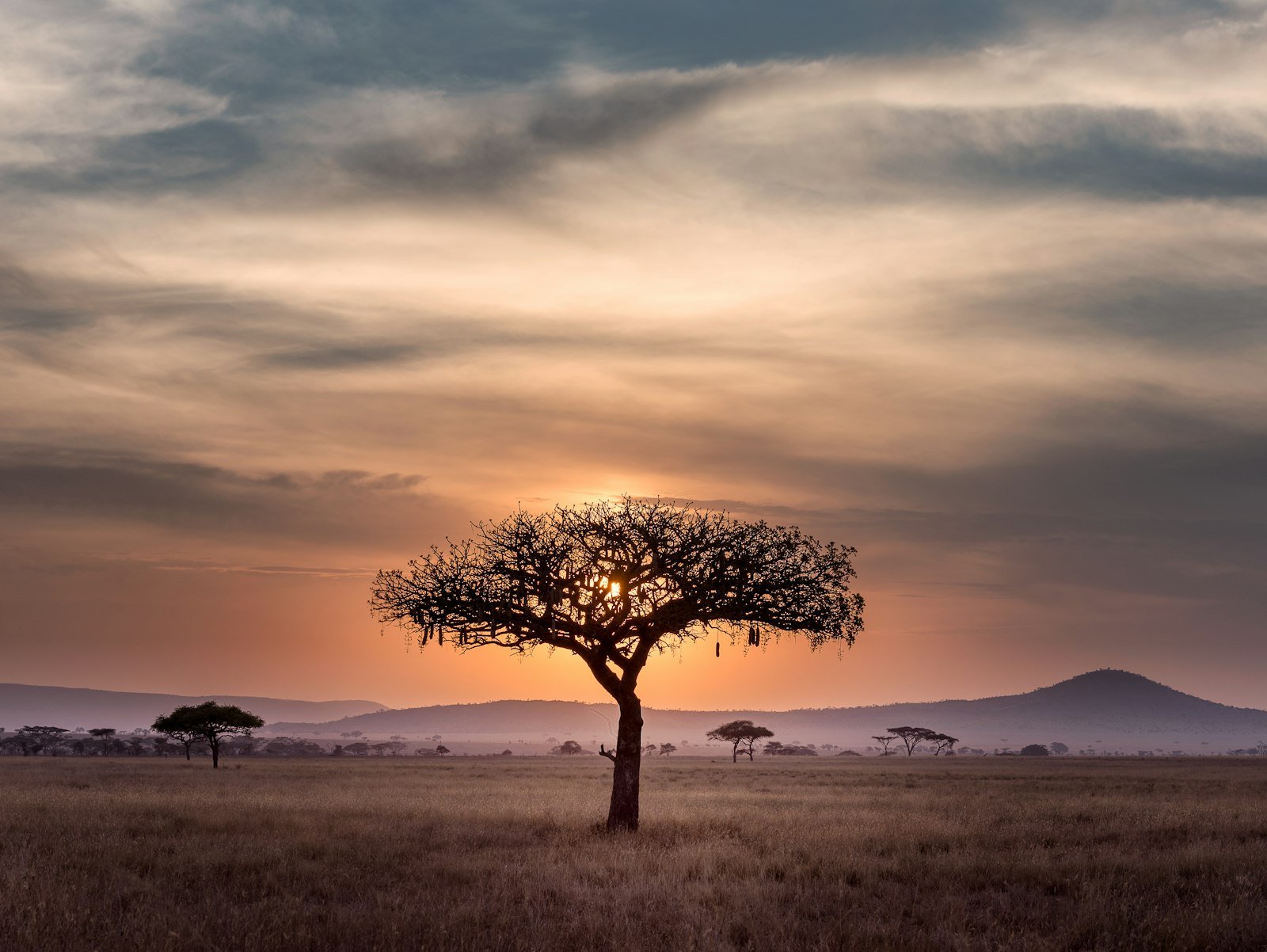
Featured image: Photo via Unsplash (photo-1516026672322-bc52d61a55d5); free to use under the Unsplash License. Illustrative only.