






New Delhi | July 20, 2026
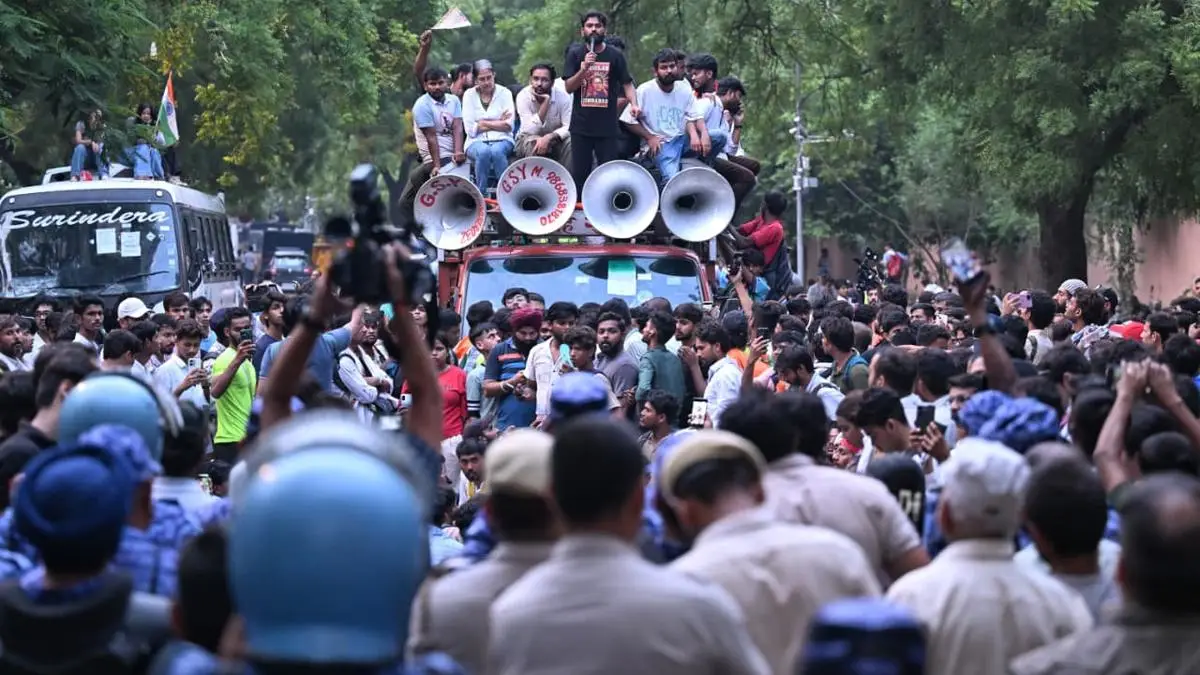
Thousands of students and young people gathered in New Delhi on Monday, demanding major reforms to India’s education system and calling for the resignation of Union Education Minister Dharmendra Pradhan.
The demonstrations were organized by the Cockroach Janta Party (CJP), a youth-led movement that began as a satirical online campaign but has rapidly evolved into one of India’s most prominent student protest movements.
Why Are Students Protesting?
The protests stem from growing frustration over alleged irregularities in the NEET 2026 medical entrance examination. After millions of students appeared for the highly competitive exam, authorities cancelled it following allegations of a question paper leak, forcing candidates to retake the examination.
Many students and families have criticized the handling of the situation, arguing that the uncertainty caused significant emotional and academic stress. Protesters are demanding:
- A transparent investigation into the alleged paper leak.
- Stronger safeguards to prevent future examination irregularities.
- Greater accountability within the education system.
- The resignation of Education Minister Dharmendra Pradhan.
Sonam Wangchuk’s Detention Sparks Larger Demonstrations
The protests gained additional momentum after engineer and education reform activist Sonam Wangchuk, who had been on a prolonged hunger strike supporting education reforms, was taken to a hospital by authorities.
Following the incident, CJP founder Abhijeet Dipke urged supporters across the country to gather in Delhi, leading to one of the largest youth demonstrations witnessed in the capital in recent years.
Why Is It Called the “Cockroach Janta Party”?
The movement’s unusual name emerged as a satirical response to controversial remarks allegedly comparing sections of unemployed youth involved in journalism and activism to “cockroaches” and “parasites.”
Supporters embraced the label as a symbol of resilience, with many attending protests wearing cockroach-themed costumes and carrying humorous yet politically charged placards.
Growing Political Attention
The scale of Monday’s protests has attracted nationwide attention.
Several opposition leaders expressed support for the demonstrators and called for peaceful handling of the protests, while emphasizing the importance of protecting students’ democratic right to voice concerns.
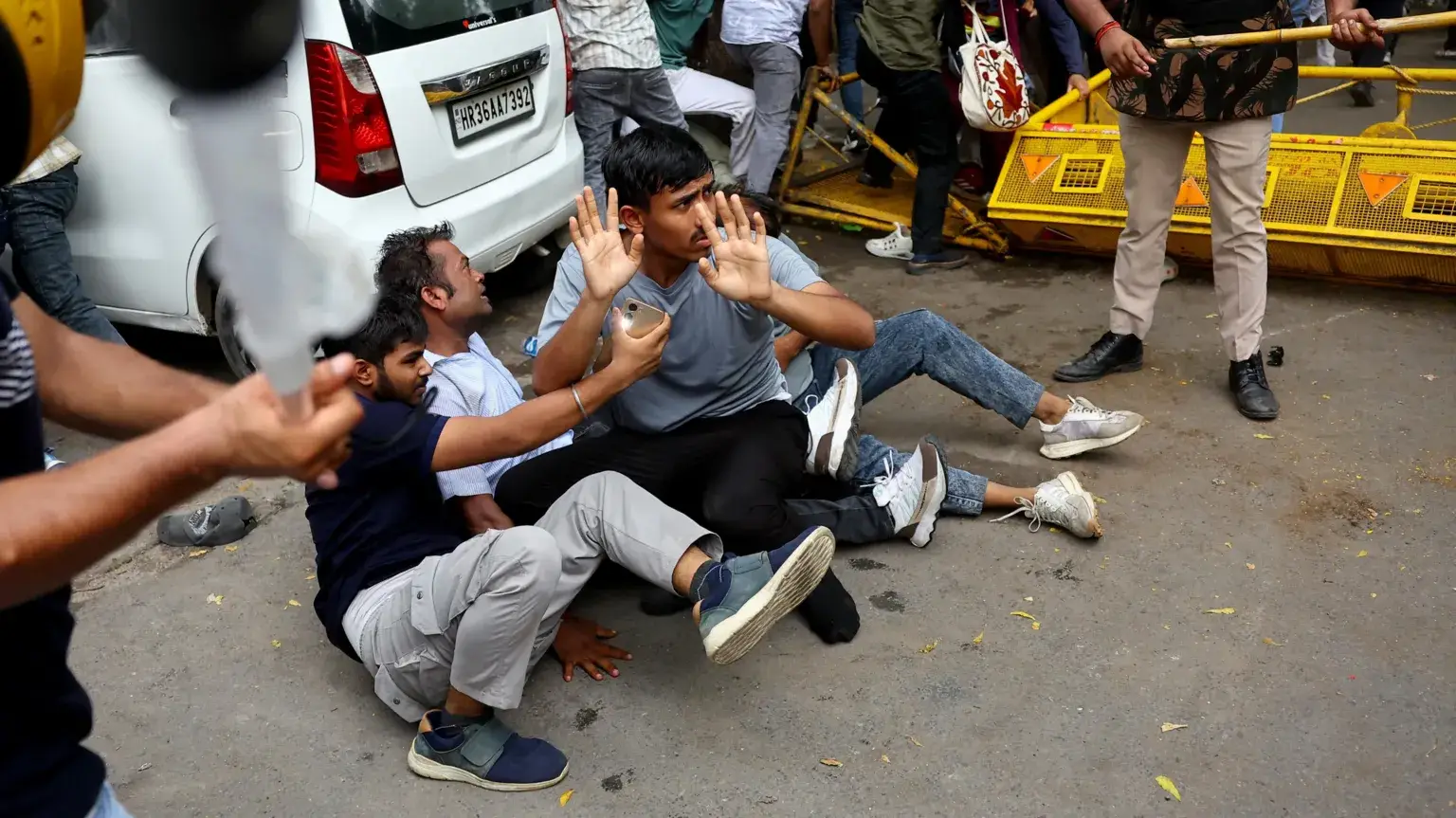
Meanwhile, authorities deployed significant security around central Delhi, and clashes were reported in some areas as police attempted to prevent protesters from marching toward Parliament.
What Happens Next?
Although it remains uncertain whether the movement will achieve its demands, the protests have reignited national debate over examination transparency, educational accountability, and opportunities for India’s youth.
With student participation continuing to grow and public attention intensifying, the coming weeks may prove significant for the future of education policy and student-led activism in India.
Stay updated with TopicExpress for the latest developments on education, politics, and breaking news from across India and around the world.